Last updated November 20, 2026
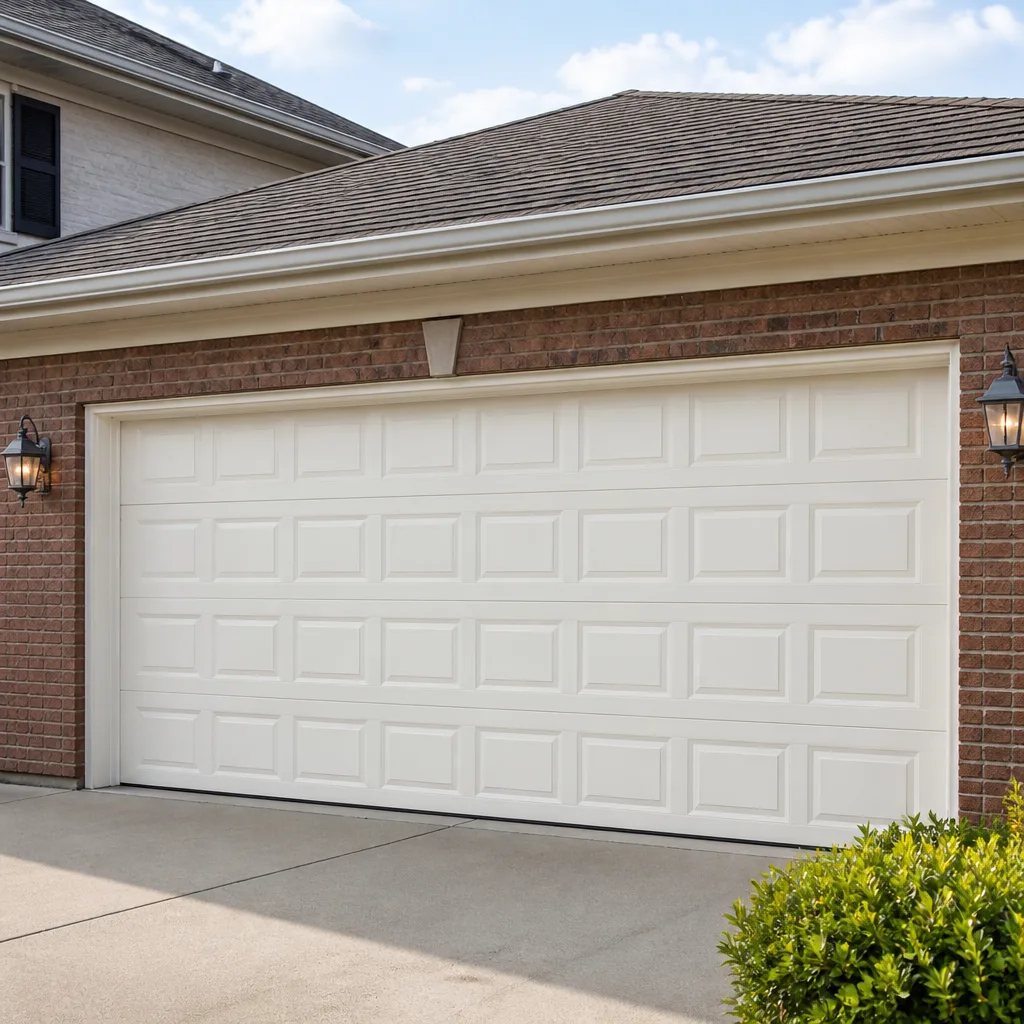 Raised-panel steel
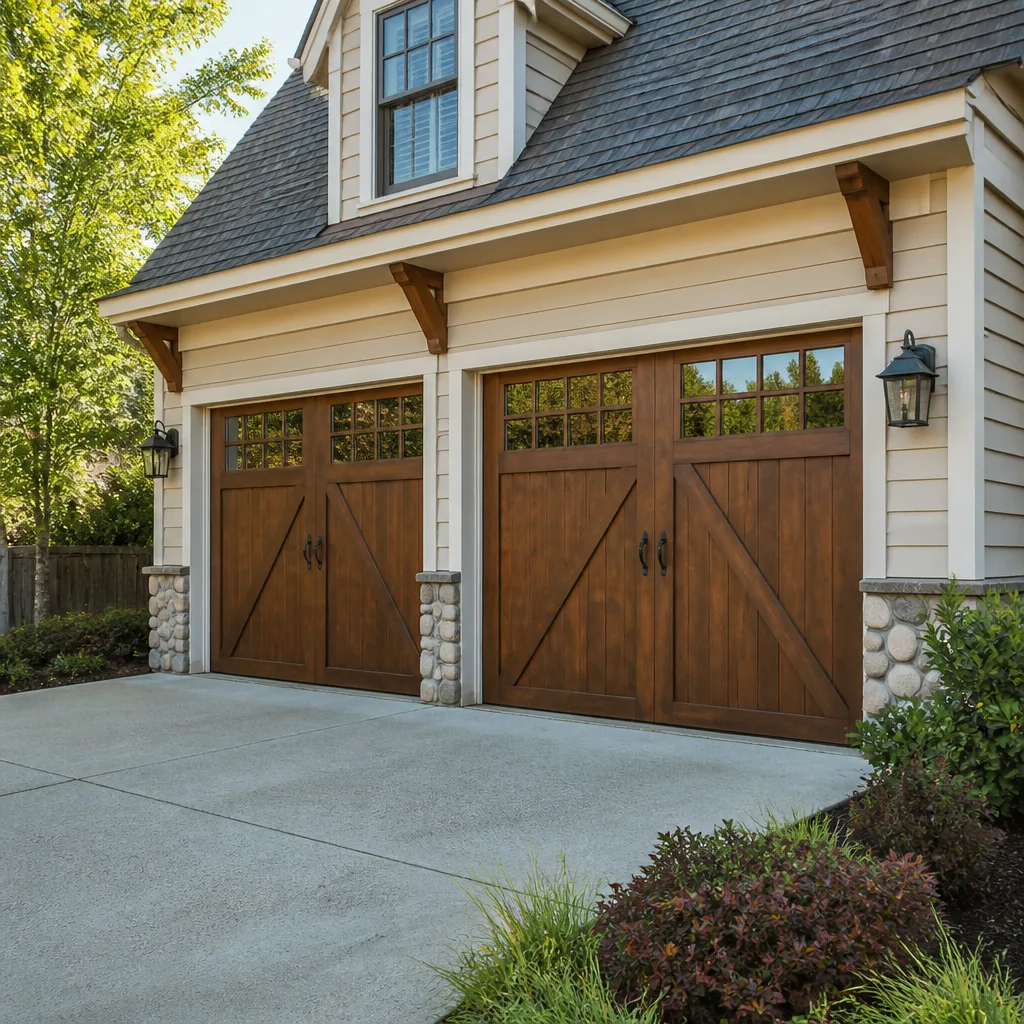 Carriage house
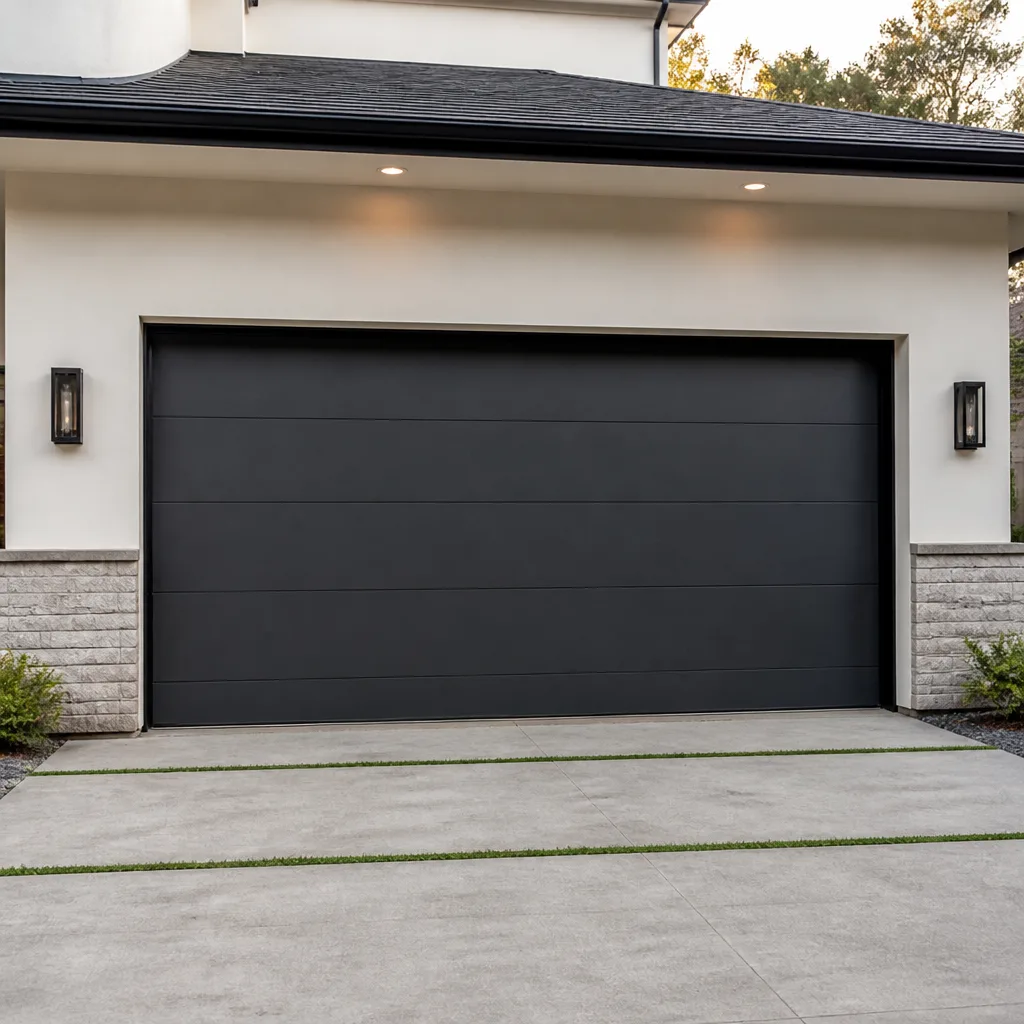 Modern flush
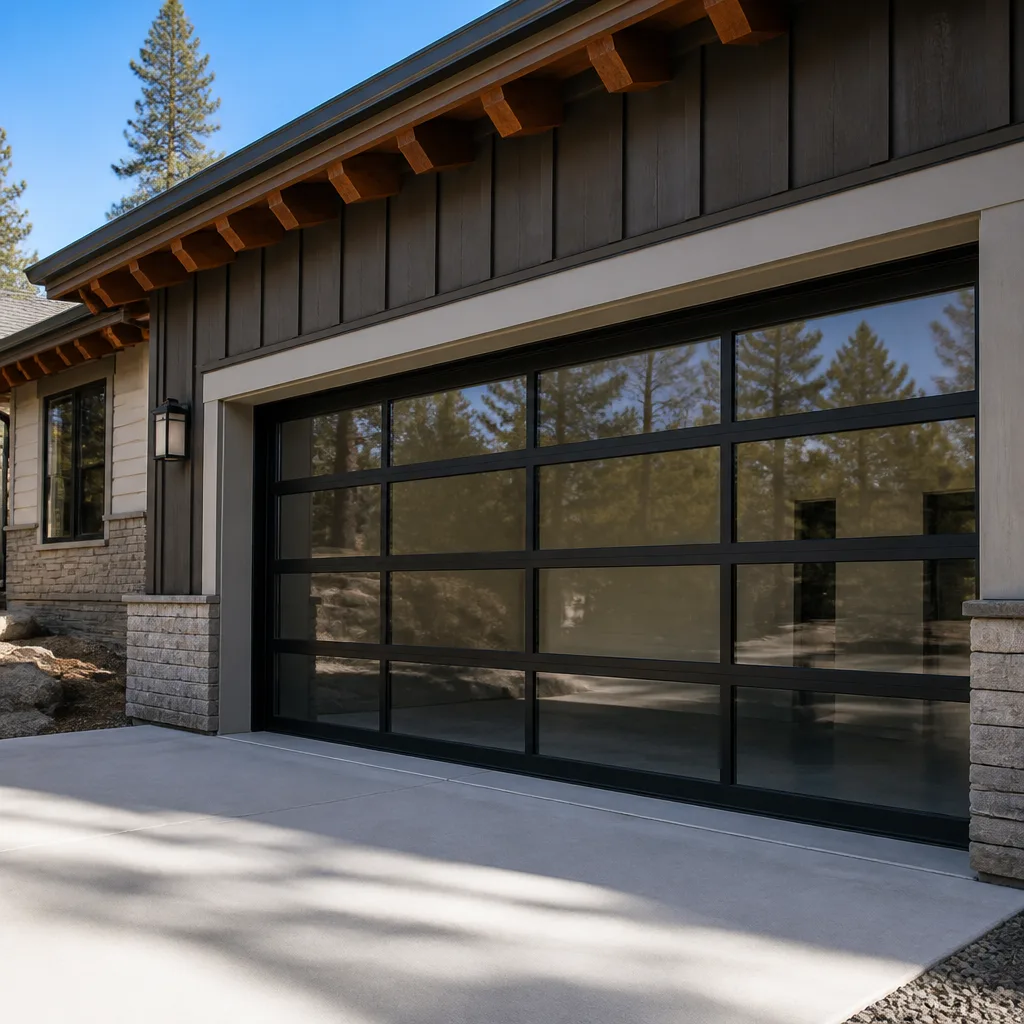 Full-view glass
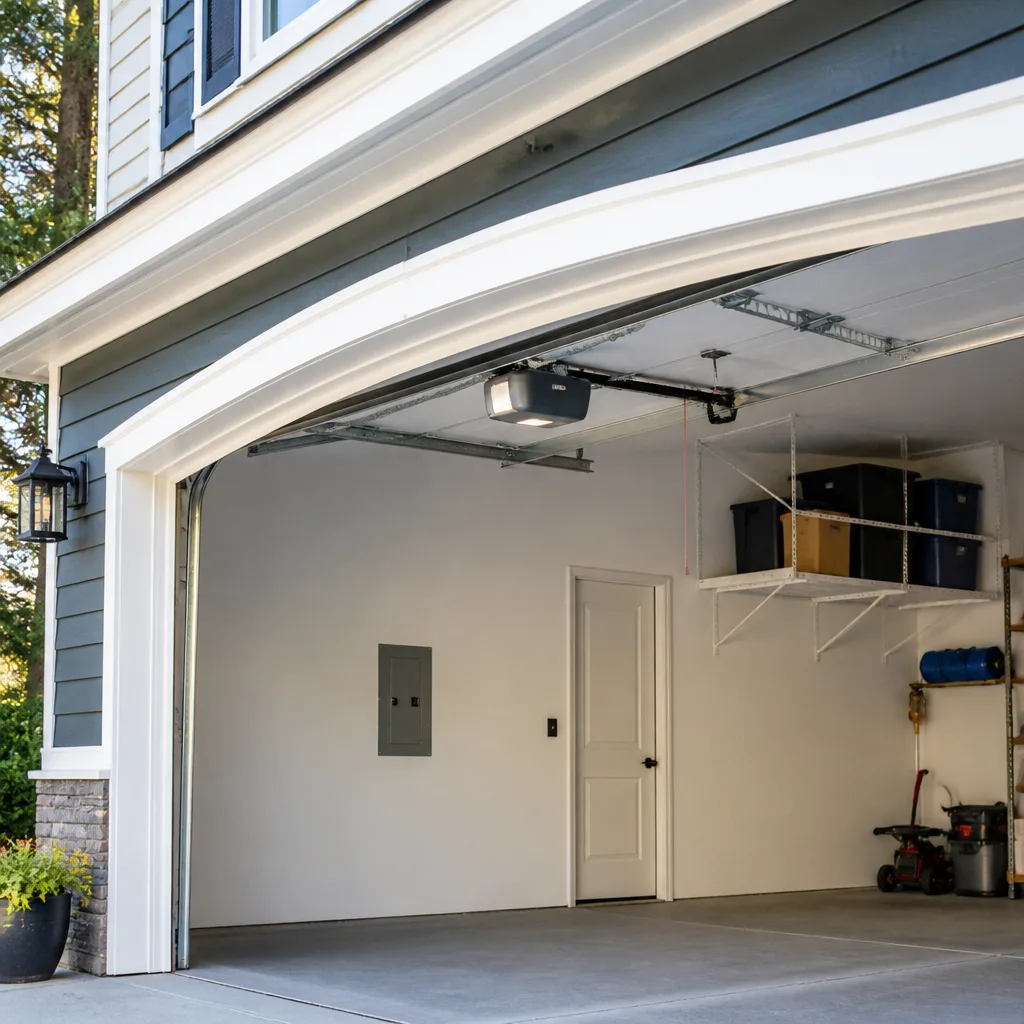 LiftMaster openers
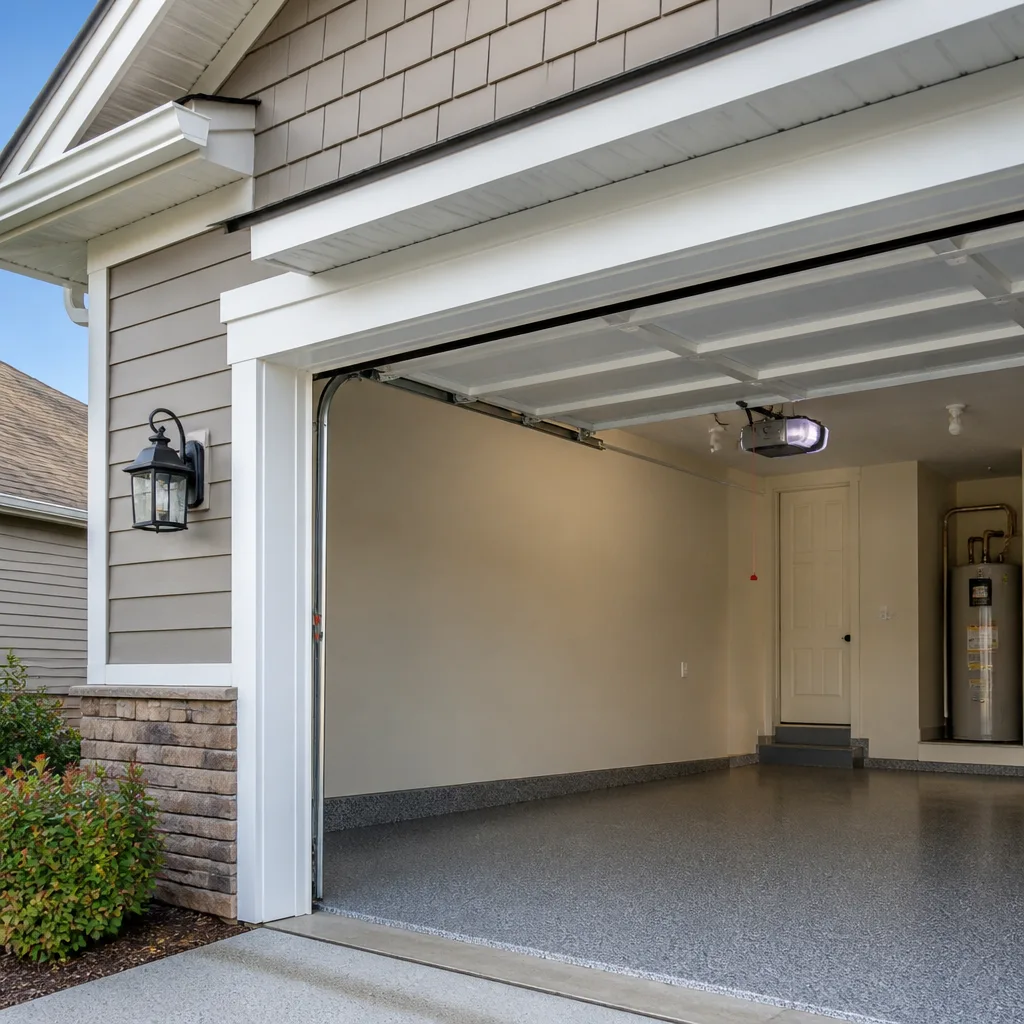 Chamberlain openers
Full 25-point door and opener safety check with every visit - springs, cables, rollers, tracks, and your LiftMaster or Chamberlain opener included
You get a price before we start. It does not change when the pro arrives.
Get your free estimateSeasonal Garage Door Care for Kamm’s Corners: Year-Round Homeowner’s Guide
January is the worst month for garage door failures in Northeast Ohio, and it has little to do with how cold it actually gets. The cold is predictable. What catches homeowners off guard is that the prep work which makes cold weather irrelevant mostly happens in October, when the door still opens fine and the garage is warm enough to spend fifteen minutes in. Skip that window and the first hard freeze finds every weak point at once: a stiff spring, a bottom seal that has gone brittle, a roller that stopped turning in November. This guide walks through seasonal care for a Kamm’s Corners garage door, season by season, with tasks sized for a homeowner who has about fifteen minutes to spare each season. It covers what to check, what to leave to a technician, and when a repair is the smarter call than another adjustment.
Quick Answer
Seasonal garage door care in Kamm’s Corners works best on a four-part calendar: lubricate and inspect in fall before the first freeze, keep the door clear of ice and snow in winter without forcing it, check seals and weatherstripping in spring for winter damage, and address humidity and opener heat in summer. Each season’s tasks take about fifteen minutes, and the goal is catching small wear before it becomes a service call. Anything involving springs, cables, or the torsion assembly should go to a trained technician, not a homeowner checklist.
Styles & brands we work with
- Raised-panel steel
- Carriage house
- Modern flush
- Full-view glass
- LiftMaster openers
- Chamberlain openers
Table of Contents
- Fall: The Prep That Determines Your Winter
- Winter: Frozen Doors and Straining Openers
- Spring: Assessing What Winter Left Behind
- Summer: Humidity, Wood Doors, and Opener Heat
- The Month-by-Month Care Calendar
- What You Should Never Adjust Yourself
- Brand-Specific Notes for Kamm’s Corners Homes
- Common Mistakes to Avoid
- When to Call a Professional
Fall: The Prep That Determines Your Winter
Fall is the season that matters most in Kamm’s Corners, and it’s the one most homeowners let slip. The work you do in October and early November is what carries the door through a Cleveland winter. Everything after that is damage control. The tasks themselves are simple, and most of them are visual checks rather than repairs.
Start with lubrication. Garage door rollers, hinges, and the torsion or extension springs all benefit from a proper garage door lubricant, not WD-40 and not household oil. A lubricant designed for the job stays where you put it when temperatures drop; a thin spray evaporates and leaves the metal dry by December. Spray each hinge pivot point, each roller bearing, and the spring coils. Wipe off excess so it doesn’t collect grit.
Then check the bottom seal. This is the rubber or vinyl strip along the bottom edge of the door. In Kamm’s Corners, the bottom seal is the first thing to fail because it sits directly on a concrete floor that gets cold and wet repeatedly. Run your hand along it. If it’s cracked, hard, or letting daylight through when the door is closed, replace it before winter rather than after. A failed seal lets in cold air, water, and small pests, and it puts extra strain on the opener as the door tries to close against an uneven surface.
Finally, test the door balance by hand with the opener disconnected. Lift the door to about halfway and let go. A properly balanced door stays roughly where you left it. If it drops, the springs are losing tension, and that’s a spring repair call, not a homeowner fix. Our technicians have up to 11 years of experience with spring systems on every major brand, and it’s the repair we recommend not putting off.
While you’re in the garage, look at the weatherstripping around the door frame. If it’s pulling away or feels brittle, it won’t survive the freeze-thaw cycle. This is also a good time to arrange a full garage door repair inspection if the door has been noisy or slow all year. Fall is when we get the most calls in Kamm’s Corners, so booking ahead of the first cold snap is worth it.
Winter: Frozen Doors and Straining Openers
Winter in Kamm’s Corners brings two distinct problems: doors that freeze to the floor, and openers that work harder than they should in the cold. Both are manageable if you know what to do, and both can get expensive if you don’t.
When a door freezes to the floor, the wrong move is to hit the opener button repeatedly and hope it breaks loose. That’s how plastic gears strip and how a small problem turns into a full opener replacement. Instead, disconnect the opener (most have a manual release cord) and free the door by hand. If the door feels stuck to the floor, work around the bottom edge with a plastic scraper or a gentle tap with a rubber mallet. Once it releases, clear the ice and check the bottom seal for tears.
Openers strain in cold weather because the lubricant in the rails and hinges thickens, and because a cold door simply requires more force to move. Two things help. First, don’t change the opener’s force settings to compensate; that just masks the problem and wears the motor. Second, if the door has been well-lubricated in fall, the cold-weather strain is usually minimal. If your opener is a LiftMaster or Chamberlain unit with a battery backup, cold weather is also a good time to confirm the battery is healthy, since those systems are designed to keep working during a power outage and a dead battery defeats the purpose.
Keep the area around the door clear of snow and ice. In Kamm’s Corners, the freeze-thaw cycle means water from a melting snowbank can refreeze under the door overnight. A small amount of ice under the bottom seal can jam the door the next morning. A quick sweep after any snow event saves a call.
Never force a door that won’t move. If it’s genuinely stuck after the ice is cleared, or if the opener runs but the door doesn’t, that’s a sign something mechanical has failed. If a door fails on a Saturday, we’re closed that day, but you can call and we’ll book you for Sunday. Our garage door opener repair service covers everything from dead motors to smart and Wi-Fi openers that lose their connection in cold weather.
Spring: Assessing What Winter Left Behind
Spring is assessment season. The freeze-thaw cycle that Northeast Ohio winters produce is genuinely hard on garage doors, and the damage often doesn’t show up until the first warm week when homeowners start using the garage more. A fifteen-minute inspection in March or April catches most of it.
Start with the bottom seal and weatherstripping, which take the worst of winter. Look for cracks, tears, hardening, and gaps where daylight shows through. In Kamm’s Corners, these components face repeated cycles of wet and frozen, which wears them faster than a stable climate would. If the bottom seal is cracked or crumbling, replace it in spring rather than waiting for summer heat to make the gap worse.
Next, run the door and listen. A door that ran quietly in October but grinds or squeaks in April needs lubrication, or it has a worn roller or hinge. Rollers that stop turning in cold weather will flat-spot, and flat-spotted rollers make the door jump and strain the opener. They’re inexpensive to replace and worth doing before summer.
Check the door panels themselves for signs of water intrusion, especially on wood doors. Water that got behind the paint or finish during winter will start to show as bubbling or discoloration in spring. Catch it early and a touch-up holds; catch it in July and you may be looking at panel replacement. If the door is a Clopay or Amarr steel model, check the bottom edges of the panels for rust starting where water pooled.
Test the safety reverse. With the door closing, place a piece of wood on the ground in its path. The door should reverse on contact. If it doesn’t, that’s a safety issue and worth a service call. This is also a good moment to test the photo-eye sensors at the base of the track; wipe them clean and confirm the alignment light is solid.
If winter left you with a door that’s beyond adjustment, spring is a natural time for a full garage door installation conversation. Doors don’t last forever, and a spring assessment is often when homeowners decide whether to repair or replace.
Summer: Humidity, Wood Doors, and Opener Heat
Summer is the season garage doors get ignored, but Kamm’s Corners summers bring two specific stresses that are worth a few minutes of attention. The first is humidity. The second is heat inside unventilated garages.
Humidity hits wood doors hardest. A wood garage door absorbs moisture through the seasons, and in a humid Cleveland summer it swells. That swelling can make the door bind in its tracks, put extra load on the opener, and stress the joints and panel edges. If you have a wood door, keep it sealed and painted, and check the finish at the start of summer. A small patch of exposed wood in May absorbs moisture all season and starts to rot by fall. Steel doors are less affected by humidity, but their finish can still be compromised by heat and sun exposure on a south-facing door.
Opener heat is the more common summer problem. A garage that’s not ventilated can reach high temperatures in summer, and openers are not designed for extreme heat. Modern openers, including LiftMaster and Chamberlain units and older Craftsman models still common in Kamm’s Corners homes, have thermal protection that shuts the motor down when it gets too hot. If your opener stops working on a hot afternoon and works fine in the morning, that’s what’s happening. Ventilating the garage, even by cracking a window or opening the door for a few minutes, helps. So does confirming the opener isn’t surrounded by stored items that block airflow.
Summer is also a good time to check the balance of the door again, since springs that carried the door through winter may be showing their age. And it’s a reasonable time to schedule any non-urgent repair, since summer is the slowest season for most garage door calls and getting on a schedule is easier than in fall or winter.
The Month-by-Month Care Calendar
Here’s the whole year laid out, sized for a homeowner with about fifteen minutes per season. Nothing on this list requires tools beyond a rag, garage door lubricant, and a piece of wood for the reverse test.
- September or October (10 minutes): Lubricate hinges, rollers, and springs with proper garage door lubricant. Wipe off excess.
- October or early November (5 minutes): Inspect the bottom seal and weatherstripping for cracks or daylight gaps. Replace anything that’s failing before the first freeze.
- Early November (5 minutes): Test door balance by hand with the opener disconnected. If it drops, schedule a spring repair.
- December through February (as needed): Clear snow and ice from around the door after each event. Never force a frozen door; disconnect the opener and work it free by hand.
- If you have a battery-backup opener: Confirm the battery health at the start of winter.
- March or April (15 minutes): Full inspection for winter damage: bottom seal, weatherstripping, rollers, panels, and safety reverse test.
- April (5 minutes): Clean and align the photo-eye sensors. Test with the wood-block reverse check.
- May or June (10 minutes): Check wood door finish and refinish if exposed. Confirm the garage is ventilated for summer opener heat.
- July or August (5 minutes): Test door balance again. If the opener has been shutting down in heat, ventilate the garage and clear airflow around the unit.
The calendar is deliberately light. The point isn’t to turn garage door care into a hobby; it’s to do the right thing at the right time so the door still works when the weather gets hostile. That’s the advantage of thinking seasonally in Kamm’s Corners: the four seasons here are different enough to matter, and a single annual check missed the timing for all of them.
What You Should Never Adjust Yourself
Most of this guide is about what a homeowner can safely check. There’s a shorter list of what should never be touched without a trained technician. The most important is the torsion spring assembly at the top of the door.
Torsion springs are under extreme tension and store enormous energy. When one breaks or a homeowner loosens a winding bolt to try to adjust tension, that energy releases instantly. People are seriously injured every year attempting spring work on their own, and it’s the single most common emergency hospital trip associated with garage doors. Never try to adjust, tighten, loosen, or replace a torsion spring. The same applies to extension springs above the door on older models and to any adjustment of the cables that run along the sides.
Also on the do-not-touch list: the spring anchoring plates, the winding cone, and the safety cables that run inside extension springs. If any of those look rusty, bent, or incorrect, that’s a technician call, not a homeowner project. Spring repair is a genuine specialty for a reason, and it’s one of the services we handle as a dedicated job rather than a sideline. Our technicians have up to 11 years of experience with spring systems, including the matched pairs most doors need to replace together.
Electrical work inside the opener is a similar story. Replacing a wall control, a wall button, or a photo-eye sensor is generally safe if the power is off at the breaker. Anything involving the opener’s internal wiring, the motor capacitors, or the logic board is not a homeowner job. If you hear a humming opener with no movement, or smell something burning near the unit, stop using it and get it looked at.
Brand-Specific Notes for Kamm’s Corners Homes
Most garage doors in Kamm’s Corners come from a small set of manufacturers, and knowing which one you have makes care easier. It also helps when you call for service, because we work on the brand you already have rather than quoting a replacement out of preference.
Wood and steel doors: Clopay and Amarr account for a large share of doors in the area. Clopay wood doors need the most seasonal attention because they swell and contract with humidity. Amarr steel doors are more forgiving, but their finish still benefits from a spring inspection where water may have pooled at panel edges.
Openers: LiftMaster and Chamberlain are the most common in Kamm’s Corners, with older Craftsman units still running in plenty of garages. LiftMaster and Chamberlain units with battery backup need their battery checked before winter. Craftsman openers from earlier generations often need lubrication attention more often because their gears are plastic and their rails benefit from regular greasing. Raynor doors and openers are less common here but still well represented, and our technicians know their service quirks.
If you don’t know what brand you have, look for the label on the inside of the door panel or the opener’s motor housing. Having that information ready when you call saves time on the first visit. We cover eight major brands specifically so that most homes in Kamm’s Corners never need to look for a second company when a repair turns into something bigger.
Common Mistakes to Avoid
- Treating garage door care as a once-a-year task. In Kamm’s Corners, a single spring upkeep visit in spring doesn’t prepare the door for a hard freeze. The four seasons here each need their own check, and the fall one is the one that affects winter most.
- Using WD-40 or cooking oil on the tracks and springs. Neither is a proper lubricant for garage door hardware. WD-40 evaporates and leaves the metal dry; oil attracts grit that grinds; use a garage door-specific lubricant.
- Greasing the tracks. This is a common mistake. Tracks should be clean and dry, not lubricated. Grease in the tracks collects debris and causes the rollers to skip and the door to bind. Wipe the tracks clean with a rag; lubricate the rollers and hinges instead.
- Forcing a frozen door. Hitting the opener button repeatedly on a door that’s frozen to the floor is the most common way a $200 opener repair becomes a $600 opener replacement. Disconnect, free the door by hand, and clear the ice.
- Adjusting the opener’s force settings to compensate for a heavy door. If the door has become hard to lift, the problem is the door, not the opener. Increasing the force just wears the motor faster and masks a spring or roller issue.
- Ignoring a small crack in the bottom seal. In Cleveland-area winters, a small crack becomes a full seal failure within a season. Water gets under the door, into the garage, and onto the floor, and the opener starts fighting a lose-lose battle with the cold.
- Skipping the door balance test. It takes two minutes and tells you whether your springs are healthy. A door that drops when you let go at halfway is a door that’s about to need a spring repair call, and better to know in October than January.
When to Call a Professional
Some jobs are worth a technician’s time every time. Call a professional for any spring work, any cable issue, any situation where the opener hums but the door doesn’t move, and any door that won’t stay balanced. Call for a broken panel, a door that’s come off its tracks, and any safety reverse failure. Call if you see a snapped spring above the door or hear a loud bang from the garage. And call if the door has become noticeably noisier or harder to move than a season ago; that’s the early sign that prevents a bigger repair.
We’ve seen the pattern plenty of times in Kamm’s Corners: a homeowner puts off the small repair in fall and calls in January with a bigger one. Getting ahead of it is usually cheaper. Garage Door Repair Kamm’s Corners offers free estimates in Kamm’s Corners, and our technicians are familiar with every major brand we cover. Call (888) 839-8159.
See the difference
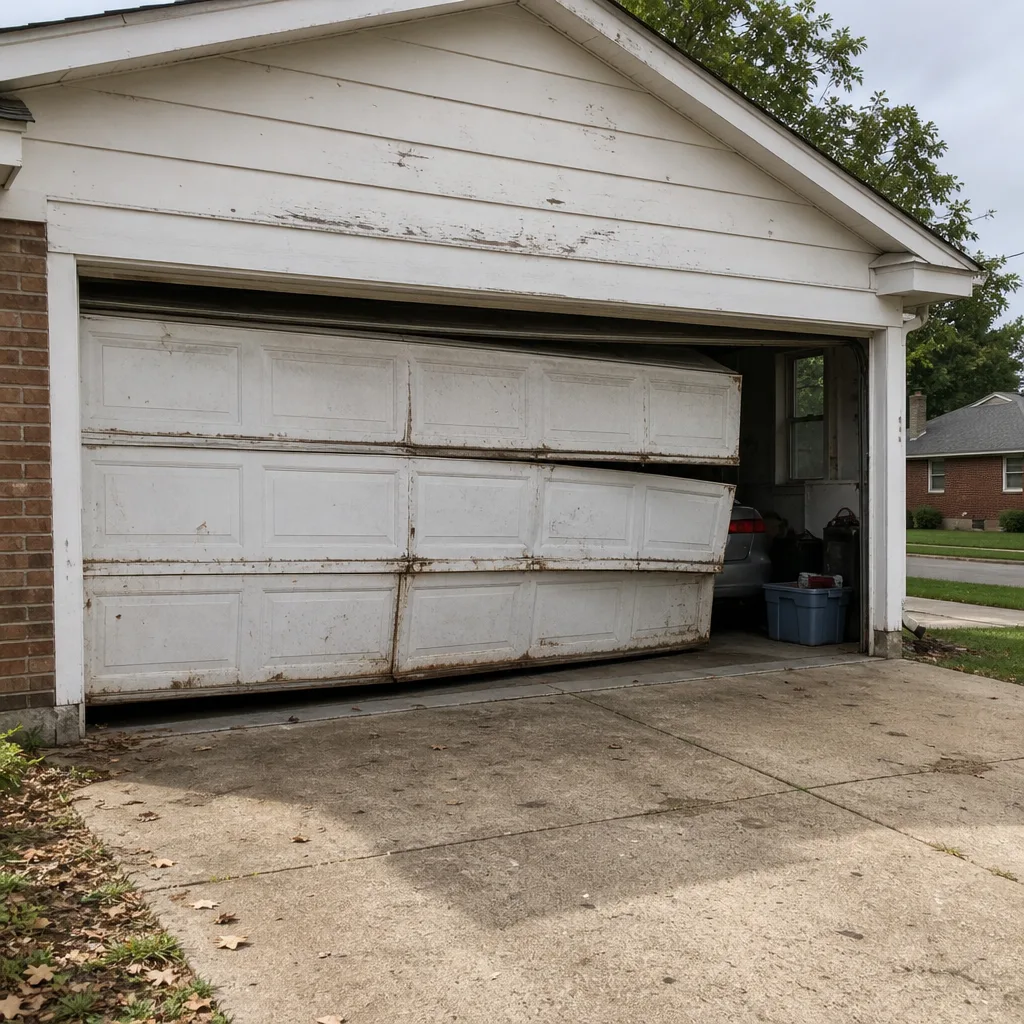 Before
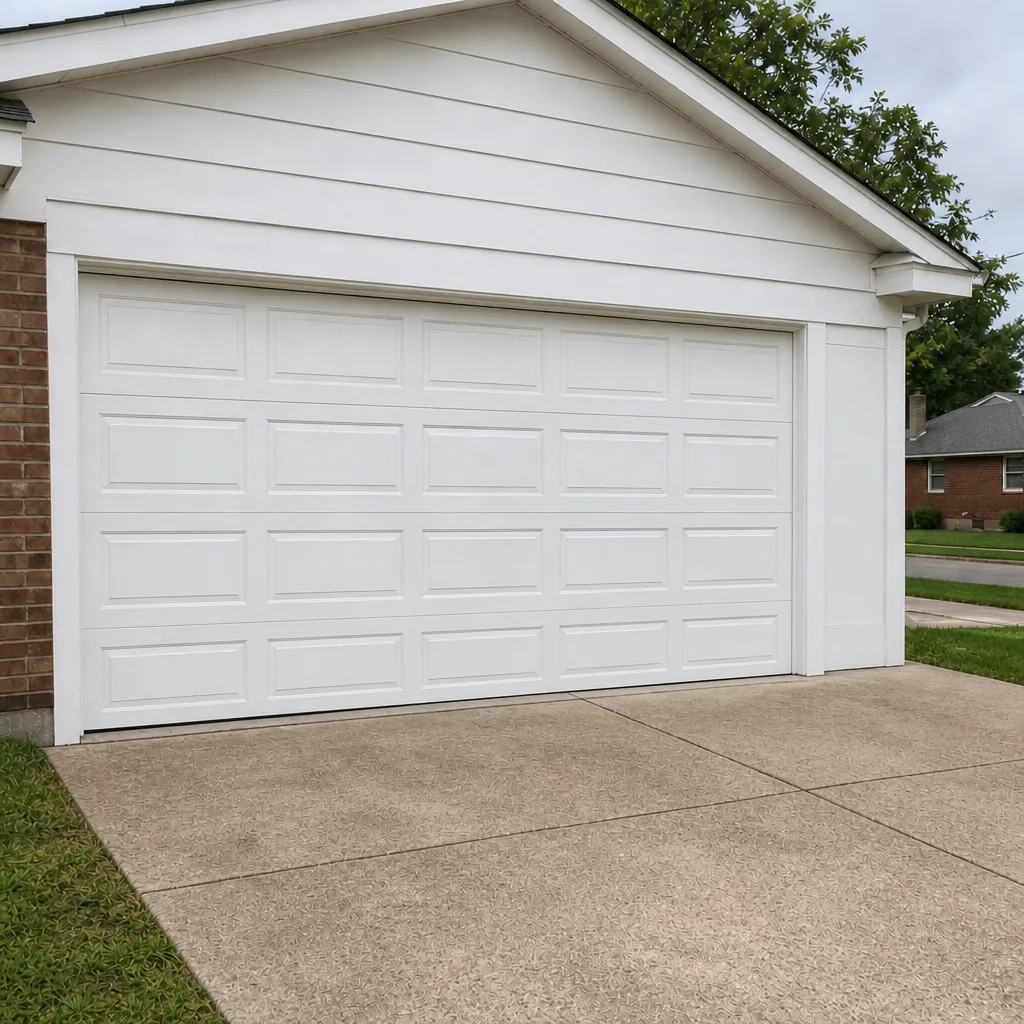 After
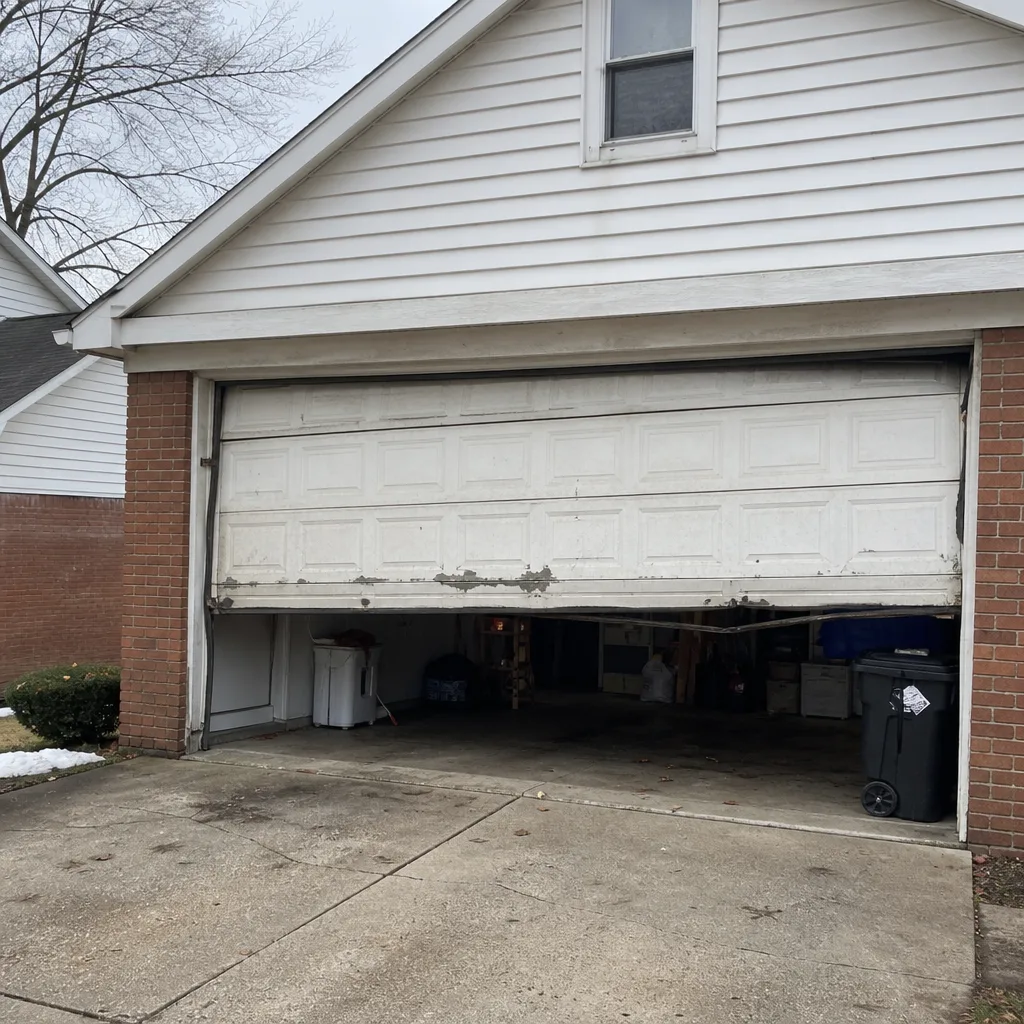 Before
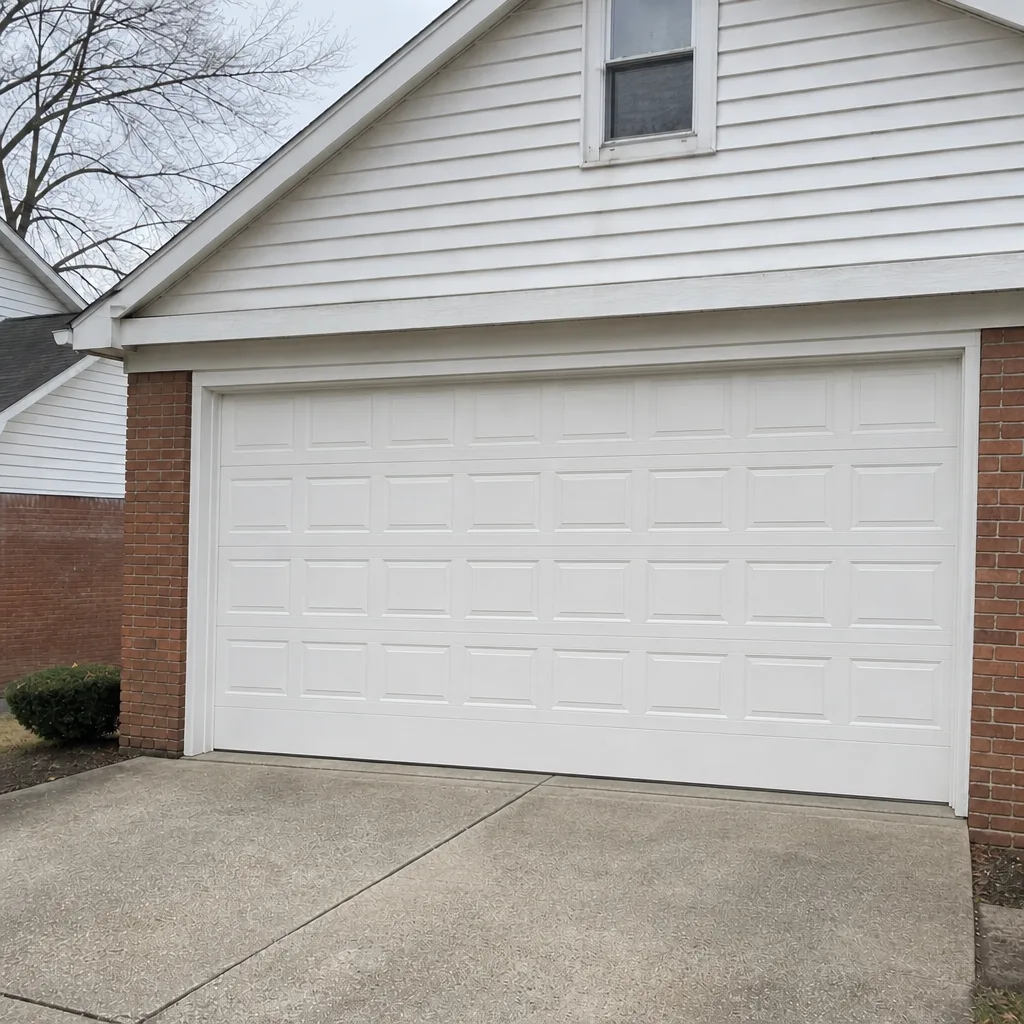 After
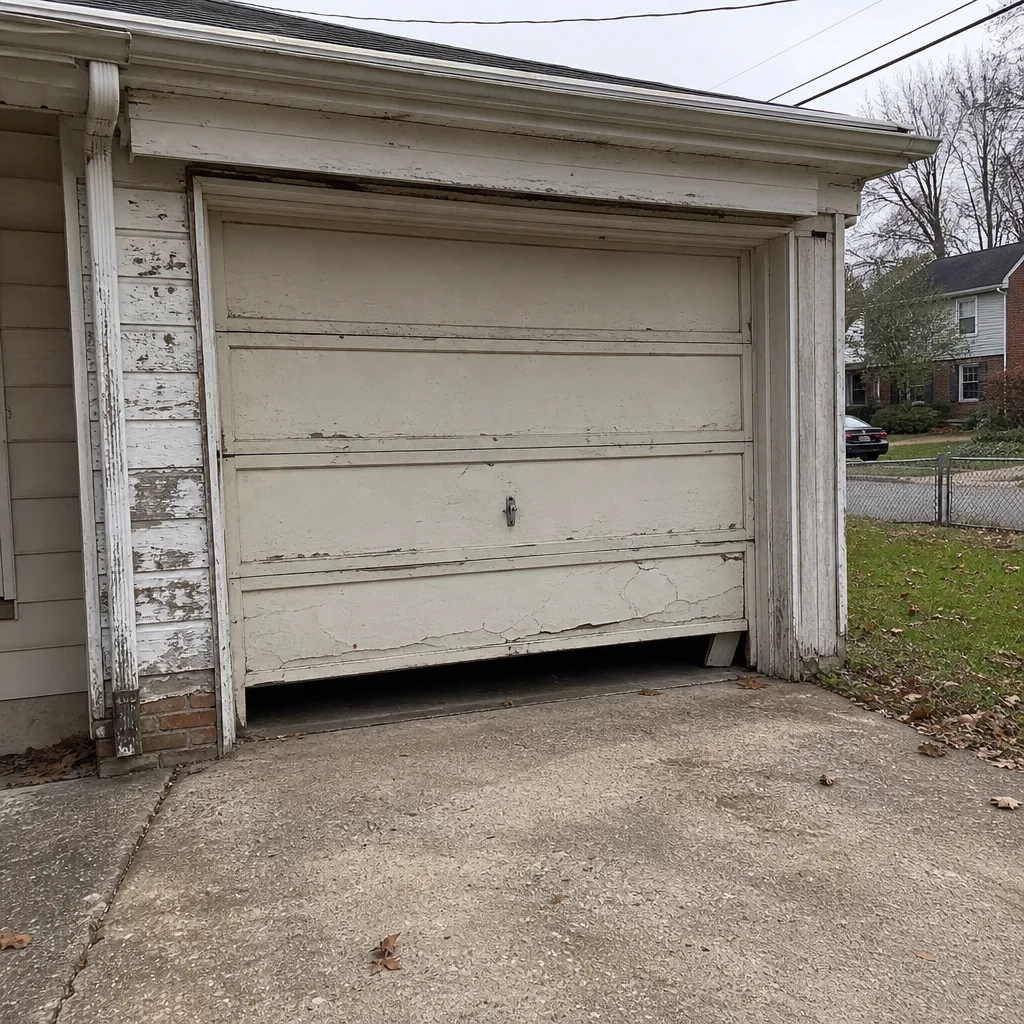 Before
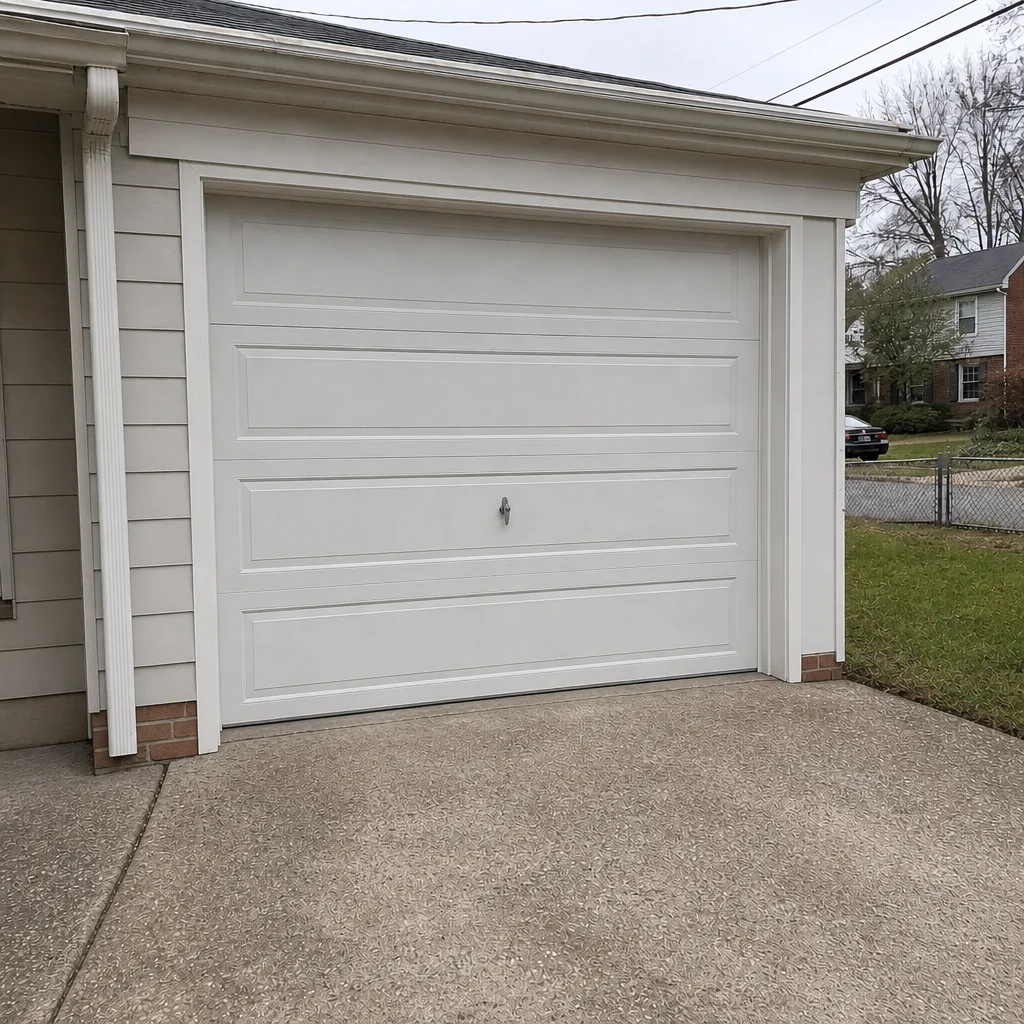 After
Frequently Asked Questions
Twice a year is generally right for a Kamm’s Corners door: once in fall before the first freeze, and once in spring after winter is done. The fall lubrication matters more because it carries the door through the cold months, when lubricant thickens and the door stiffens. Use a garage door-specific lubricant on hinges, rollers, and springs, and leave the tracks dry.
Disconnect the opener with the manual release, then free the door by hand rather than forcing it with the opener. Use a plastic scraper or gentle tap with a rubber mallet around the bottom edge, clear the ice, and check the bottom seal for damage. If the seal is torn, replace it before the next freeze. Never run the opener repeatedly against a frozen door; it strips gears and burns out motors.
Emergency garage door service is one of our core offerings, and spring failures are the most common reason for that call. We’re closed on Saturdays, but Sundays can be booked by phone. Call (888) 839-8159 for a free estimate and to schedule service.
Replacing a bottom seal is generally a manageable homeowner job, since the seal slides into a channel on the bottom edge of the door and doesn’t involve springs or cables. It’s much safer than spring work. If the seal is unusually damaged or the door has other issues, though, it’s worth having a technician look at it during the same visit.
It’s almost certainly thermal shutdown. Openers have built-in protection that cuts the motor when the housing gets too hot, and a garage without ventilation can push temperatures high enough to trigger it. Let the opener cool down, ventilate the garage, and confirm nothing is stored around the opener housing that blocks airflow. If it keeps happening, the opener may have a failing capacitor and should be serviced.
No. We quote the price before any work starts, and the written estimate you agree to is what you pay. If we find something extra that needs doing, we tell you and get your approval before it happens. Call (888) 839-8159 for a free estimate.
The Bottom Line
Seasonal care for a garage door in Kamm’s Corners isn’t complicated, but it is calendar-driven. The fall prep is the one that pays off most, because it’s what determines whether the door survives a Cleveland winter without a service call. Winter is about not making things worse: clear the ice, disconnect the opener if the door is frozen, don’t force anything. Spring is for assessment, especially on seals and rollers, before small winter damage becomes a summer breakdown. Summer is for humidity and heat, on wood doors and on openers. Fifteen minutes in each season covers it, and anything touching springs or cables belongs with a technician. If the seasonal inspection turns up something you’d rather have handled, call us at (888) 839-8159 for a free estimate. Your door, done right.
Written by the team at Garage Door Repair Kamm’s Corners.