Last updated November 20, 2026
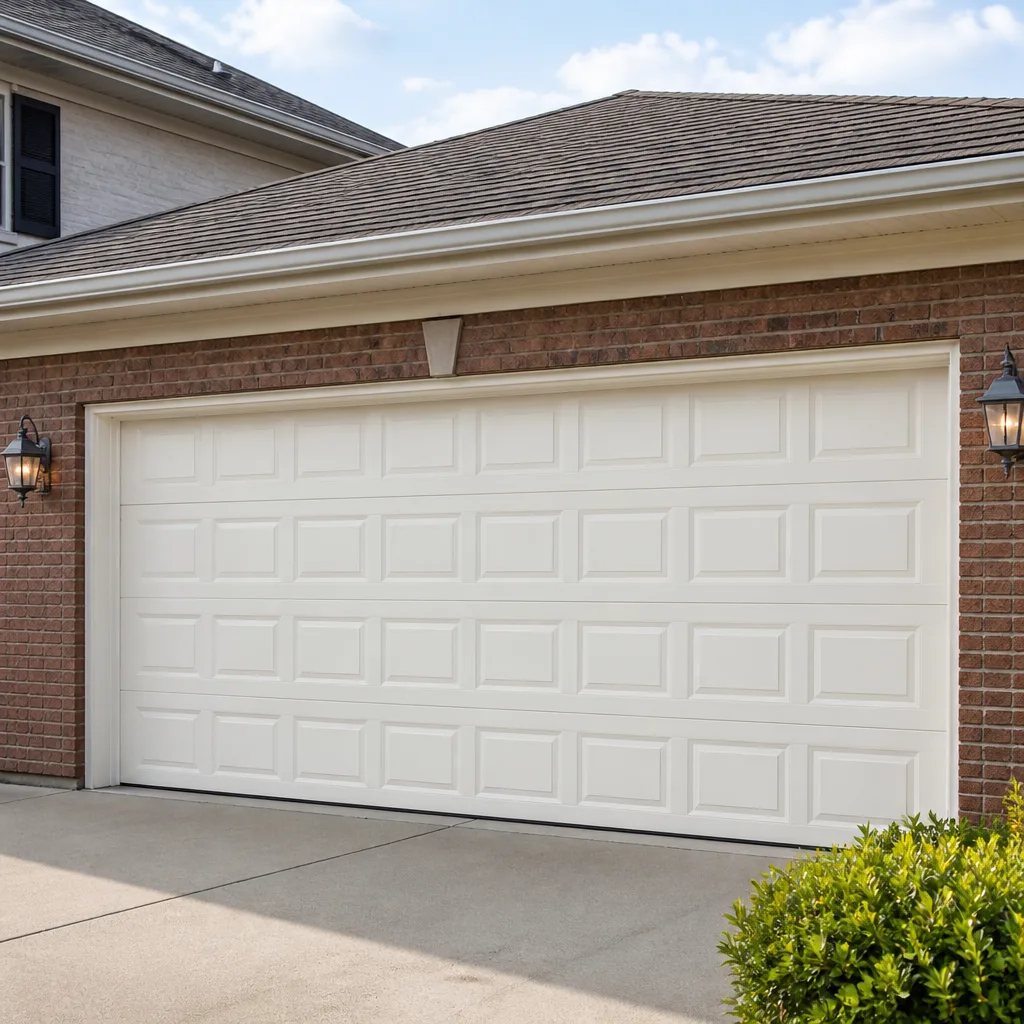 Raised-panel steel
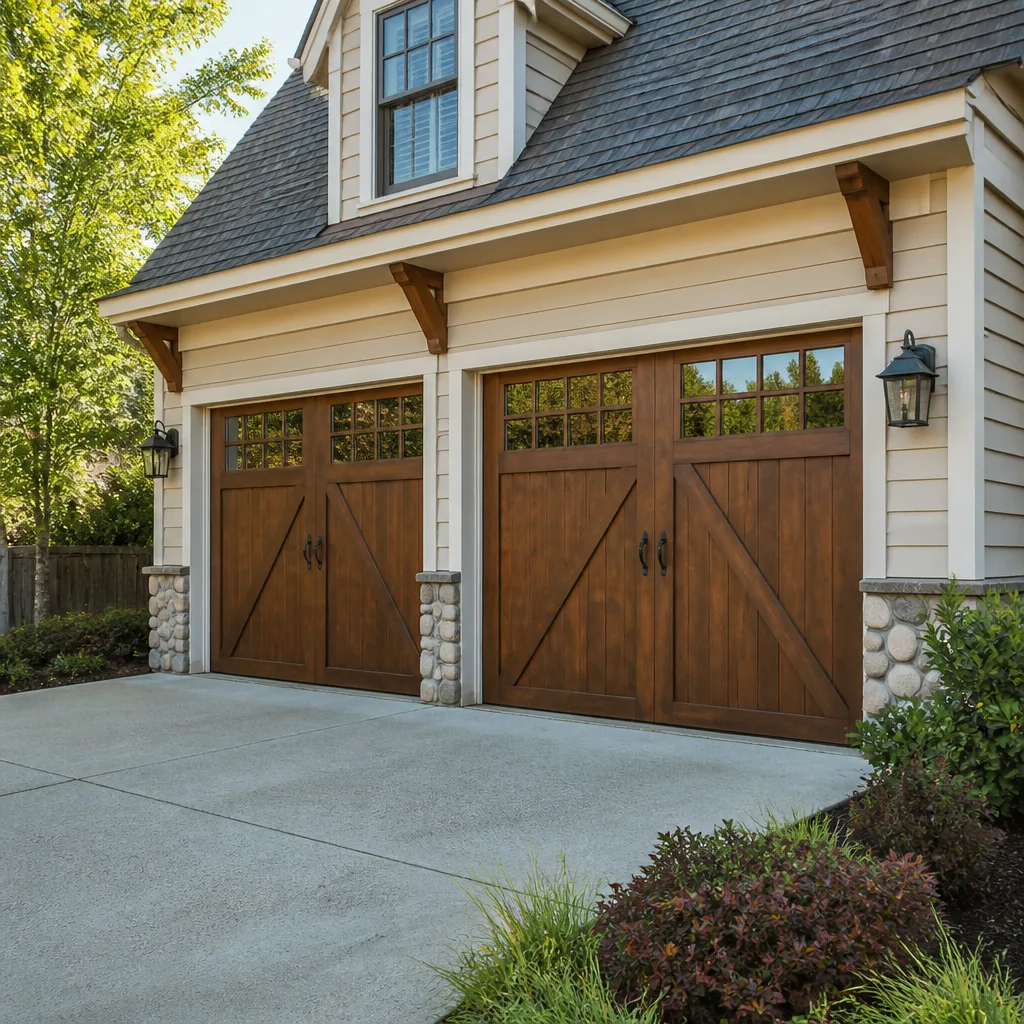 Carriage house
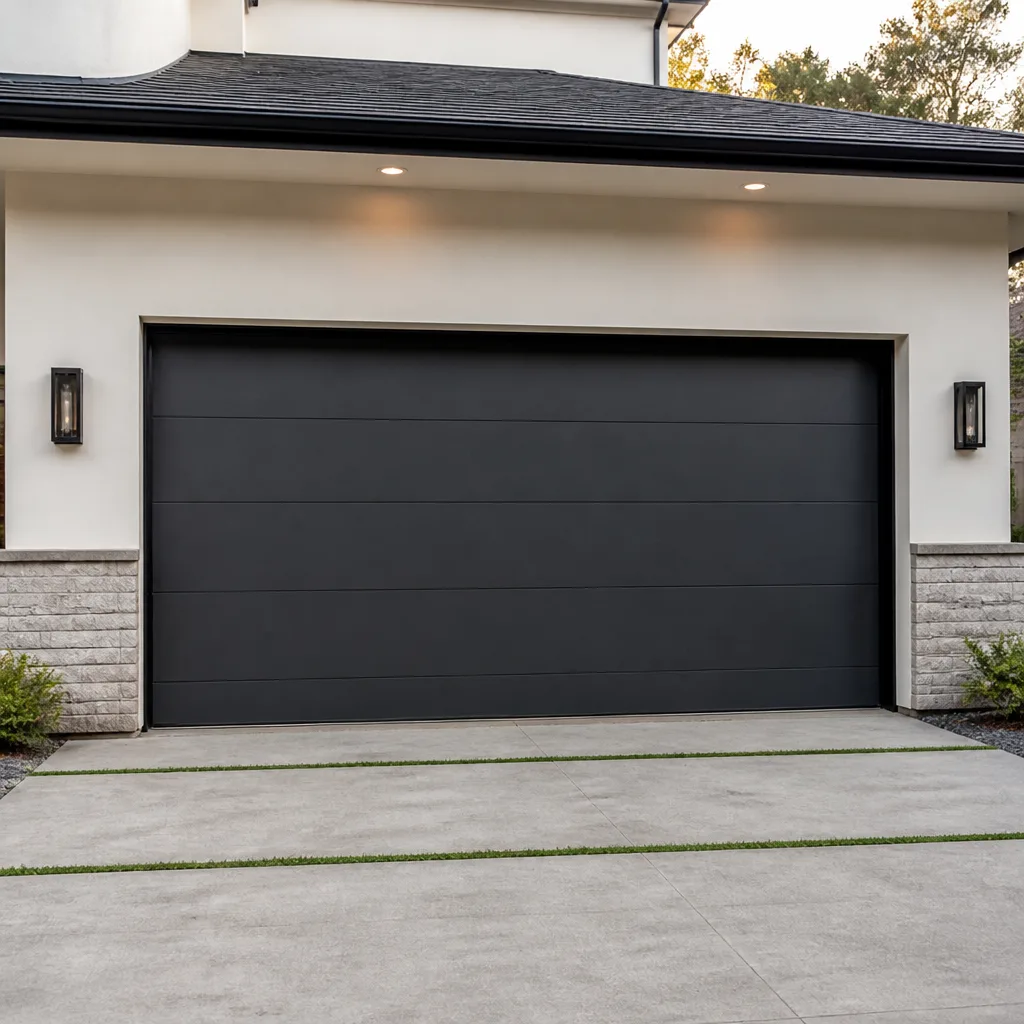 Modern flush
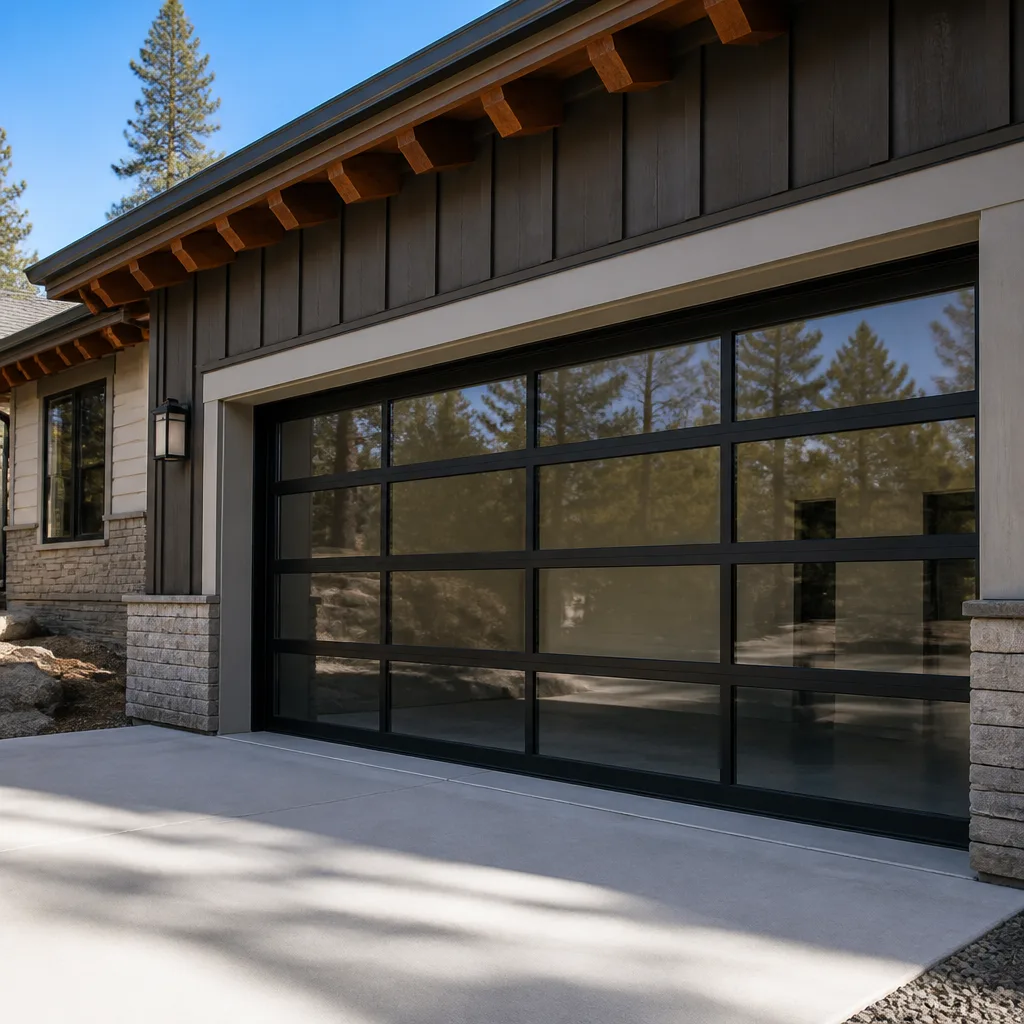 Full-view glass
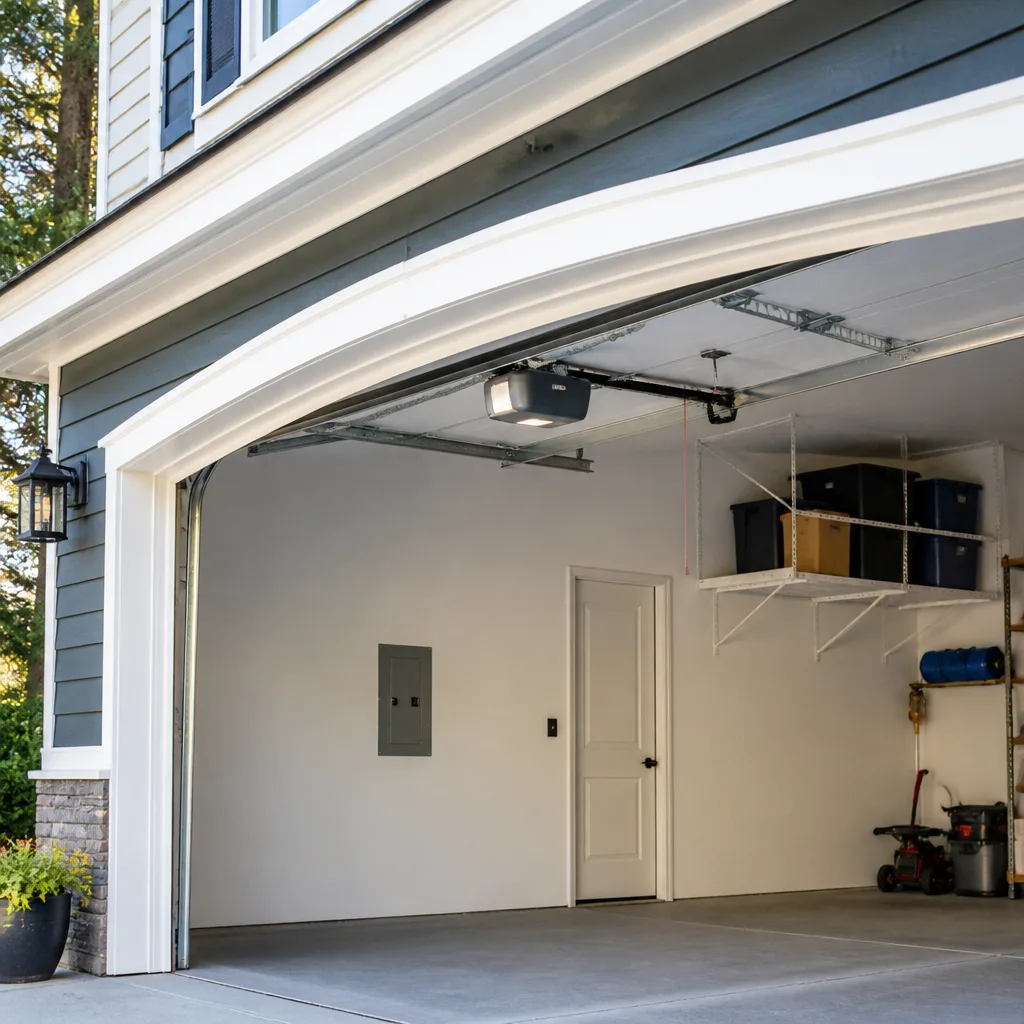 LiftMaster openers
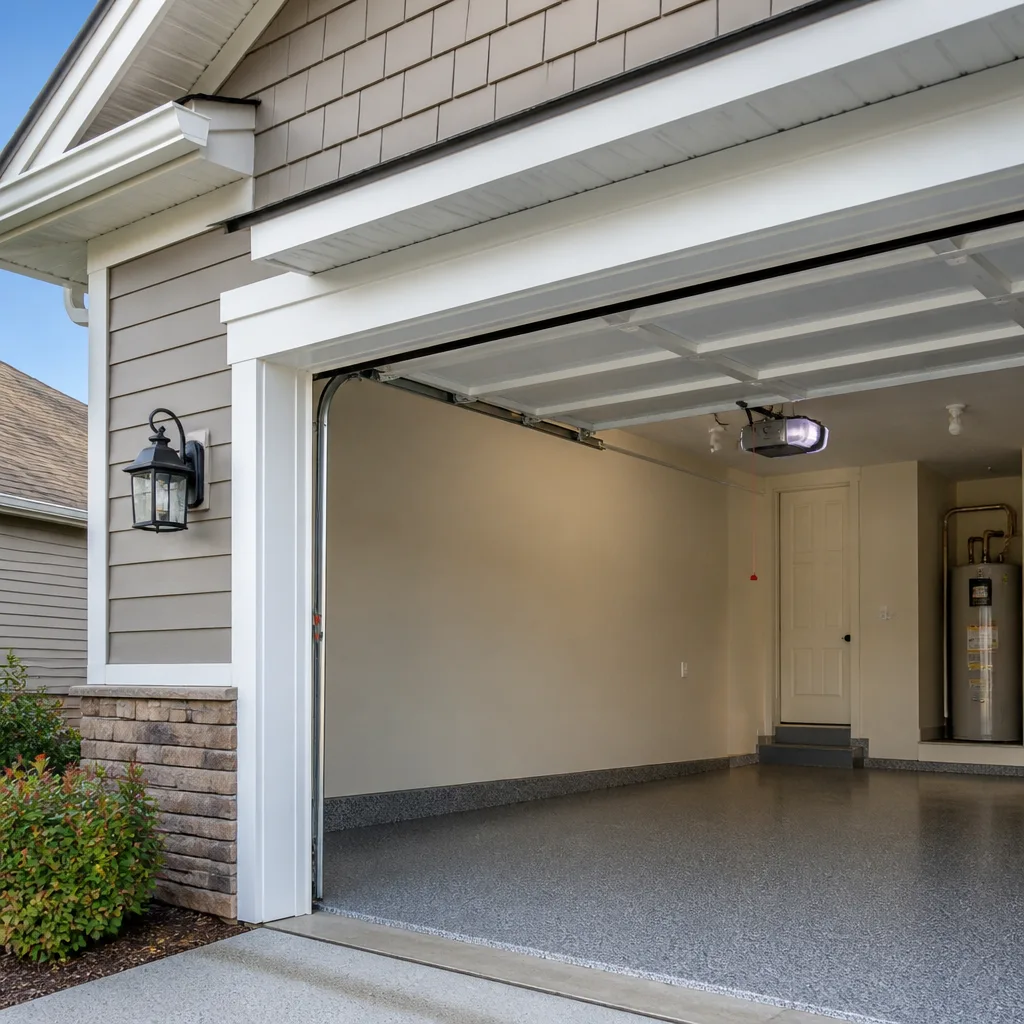 Chamberlain openers
Full 25-point door and opener safety check with every visit - springs, cables, rollers, tracks, and your LiftMaster or Chamberlain opener included
You get a price before we start. It does not change when the pro arrives.
Get your free estimateThe Complete Guide to Garage Doors in Kamm’s Corners
Your garage door moves more times per year than your front door does in a decade, yet most homeowners could not name a single component inside it. That gap between how often the door works and how little we know about it is exactly why breakdowns feel sudden. They rarely are. A garage door is a mechanical system with parts that wear in predictable ways, and most failures announce themselves weeks before anything snaps. This guide walks through how the system actually works, how Northeast Ohio’s freeze-thaw cycles treat that hardware, how long the main parts last, which doors handle Kamm’s Corners winters best, and how to tell whether your door needs a repair or a full replacement. By the end, you’ll be able to read your own door and know what it’s telling you.
Quick Answer
A garage door is a counterbalance system: springs, cables, rollers, tracks and an opener working together to lift and lower hundreds of pounds of door. In Kamm’s Corners, the freeze-thaw cycles of Northeast Ohio stress that hardware harder than milder climates do, so springs and cables generally wear faster and openers work against more friction in cold months. Most garage door problems fall into one of three buckets: worn springs and cables, opener and electrical faults, or panel and track damage, and each has a clear repair path.
Styles & brands we work with
- Raised-panel steel
- Carriage house
- Modern flush
- Full-view glass
- LiftMaster openers
- Chamberlain openers
Table of Contents
- How a Garage Door Actually Works
- Why Northeast Ohio’s Freeze-Thaw Cycles Wear Your Door Down
- How Long Springs, Cables and Openers Last
- Which Doors and Materials Hold Up Best in Kamm’s Corners
- How to Read Your Door’s Condition: A Simple Test
- Repair or Replace? Cost Thresholds That Make the Decision
- A Simple Seasonal Maintenance Routine
- Common Mistakes to Avoid
How a Garage Door Actually Works
A garage door is a balance, not a lift. That is the first thing to understand. The springs you’ll notice running across the top of the door (torsion) or along the sides (extension) carry most of the door’s weight, and the opener only nudges the door up or down once the springs have done the heavy work. If a spring is broken, the opener alone is not strong enough to move the door, and forcing it will burn out the motor. That balance is why a door can feel light as a feather when it’s working and impossible to lift when a single spring has let go.
Here are the main parts involved, and what each one does:
- Torsion springs – mounted on a shaft above the door, they twist to store energy and counter the door’s weight.
- Extension springs – stretch along the horizontal tracks at the sides; common on older doors.
- Cables – run from the springs to the bottom corners of the door, and they’re under serious tension whenever the door is down.
- Rollers and hinges – let the door bend smoothly through the curved section of track.
- Tracks – guide the door up into the ceiling and hold the panel edges in alignment.
- Opener – the motor and drive system (belt, chain or screw) that moves the door once the springs are in balance; the safety reverse system is part of this.
Understanding what each piece does changes how you read symptoms. A door that goes up stiffly but comes down fine is a balance problem, not a motor problem. A door that reverses at the bottom is a safety sensor issue. A door that sags in the middle is a spring or cable issue. We see these distinctions matter every week in Kamm’s Corners, where a homeowner will call convinced the opener is dead when the springs are the real fault.
Why Northeast Ohio’s Freeze-Thaw Cycles Wear Your Door Down
A garage door in Kamm’s Corners lives in one of the tougher climates for mechanical hardware. The reason is freeze-thaw. Northeast Ohio swings between freezing nights and above-freezing days for long stretches through winter and into early spring. Water gets into a joint, a hinge, a roller track or the seam between a door frame and the ground, freezes, expands, and then thaws. That repeated expansion and contraction works hardware loose and pushes grit into moving parts in a way that steady cold never would.
In practice, that freeze-thaw cycle shows up in a few predictable places:
- Bottom seals and weatherstripping crack and pull away, letting cold air and moisture under the door, which accelerates rust on the bottom panel and the hinges.
- Rollers stiffen when the grease thickens in cold weather, and the increased friction makes the opener work harder and the door track noisier.
- Metal tracks develop small dents and misalignments from snow shovels, ice buildup and frost heave at the floor, which make the door bind as it travels.
- Cables and springs corrode at their contact points where moisture gets in, and corrosion is a leading cause of premature failure in this region.
- The opener runs longer and hotter in winter because the door is heavier to move; that extra load will shorten the life of an already-old unit.
Summers matter too. Kamm’s Corners gets humid stretches that swell wooden door panels and soften old seals, and that wood then shrinks back in dry winter air. The result is a door that moves differently from season to season. A door that binds in February and runs fine in June isn’t broken; it’s telling you its hardware needs a look. If you’ve noticed the change, garage door repair Kamm’s Corners is the place to start, and a simple adjustment can head off the failure before it strands you.
How Long Springs, Cables and Openers Last
Springs, cables and openers all have expected service lives, and in Kamm’s Corners those lives run on the short side of the national average because of the freeze-thaw and humidity swings. The cycles are the real metric. A torsion spring is rated in cycles, meaning one up and one down. Most standard springs are built for somewhere in the range of 10,000 cycles. With two people coming and going in a household, that can work out to roughly seven to ten years in a milder climate. Here, with heavier winter loads and more corrosion at the contact points, you should shorten that expectation.
Here’s how the main wear parts stack up:
- Torsion springs – the workhorses. Expect the shorter end of the range in this climate, especially on a door that faces the street and takes sun and snowmelt.
- Extension springs – common on older Kamm’s Corners homes; they often fail earlier than torsion springs and have a nastier failure mode, which is why safety cables on extension springs matter so much.
- Cables – usually last many years but fail earlier where moisture reaches the drum and bottom bracket. A frayed or kinked cable should be replaced right away.
- Openers – a well-built opener can serve well past a decade, but the motor and drive wear faster when the door is out of balance or the tracks are binding. Some of the openers we see failing in this area failed because the door was heavier than it should have been, not because the opener was weak.
- Rollers and hinges – the cheap wear parts; they don’t usually fail dramatically, but they add friction that shortens the life of everything around them.
The takeaway: if your door is past roughly seven years old and the springs have never been replaced, plan for it rather than wait for it. Broken springs tend to let go at the worst possible moment, and a garage door repair call for a snapped spring on a cold morning is a much better experience than a call from the driveway with the car trapped inside.
Which Doors and Materials Hold Up Best in Kamm’s Corners
For a climate with real winters and humid summers, steel and aluminum-sectional doors hold up best for most homes. Insulated steel with a factory finish resists rust, won’t swell or shrink with the seasons, and needs nothing more than a wash. Wood doors look beautiful and still have a place, but a wood door in Kamm’s Corners needs real upkeep: repainting or refinishing on a schedule, or the freeze-thaw and humidity cycles will find every seam. If you already have a wood door and love it, keep it. Just know what you’re signing up for.
A quick comparison of what the common materials do in this climate:
- Insulated steel – the best all-around choice. Durable, stable across temperature swings, low upkeep. Brands like Clopay and Amarr make a wide range of styles here.
- Aluminum – light, rust-resistant and good for wide doors, but dents more easily if something bumps it.
- Wood – classic look, but needs regular refinishing in this region to stand up to snowmelt and summer humidity.
- Wood composite and fiberglass – a middle path, good looks with more stability than solid wood.
Insulation beyond looks matters for a Kamm’s Corners garage, especially an attached garage where the door is part of what separates your living space from the outside. An insulated door keeps the garage warmer in winter and cooler in summer, which helps the rest of the house and cuts the work your door opener has to do. If you’re weighing a new door, garage door installation covers the measuring and selection side, including how to match a door to an existing opening without surprises.
How to Read Your Door’s Condition: A Simple Test
You can judge the health of your garage door with a visual inspection and a simple balance test, no tools and no disassembly. Do not touch the springs or cables, ever. Those parts are under extreme tension, a broken spring can cut or worse, and adjusting them is a job for a trained professional with the right tools. But you can safely check everything else, and that will tell you a lot. Here is how we walk through it:
- Look at the springs. A torsion spring above the door that has a visible gap in the coil is broken and the door should not be operated. Extension springs at the sides should have a safety cable running through them.
- Check the cables for fraying or kinks. A cable that looks worn or has strands separating is a stop-use item until it’s replaced.
- Open the door halfway by hand (disconnect the opener first). It should stay where you leave it. If it slides down on its own, the springs are failing; if it’s very hard to move, either the springs are weak or the tracks are binding.
- Lift the door by its bottom edge and check the balance. A door that stays put at the halfway point is balanced. One that drifts is out of adjustment.
- Scan the tracks and rollers. Run a hand along the edge of the track (carefully, don’t put fingers near the hinges) to feel for dents or bends, and look at the rollers for flat spots or wobble.
- Test the safety reverse. With the door closing, put a block of wood or a shoe under it near the floor; the door should reverse on contact. If it doesn’t, get it serviced before you use it again.
- Check the bottom seal and the weatherstripping. Cracks or gaps let cold air and moisture in and are usually the first sign that freeze-thaw damage is starting.
If everything checks out, you’ve just confirmed your door is in good shape. If any one of those checks fails, you know exactly what to describe when you call. This test is worth running twice a year, once before winter settles in and once in spring. If anything fails, our garage door opener repair and repair services cover the full system, not just the opener.
Repair or Replace? Cost Thresholds That Make the Decision
Repair makes sense when the problem is one or two worn parts on a door that is otherwise in good shape. Replacement is the smarter call when the door’s panels, frame and hardware are all aging together, and repair costs start climbing into a large share of what a new door would run. The rule of thumb: once a single repair starts approaching half the cost of a new door, or you’re facing repairs on multiple parts at once, replacement usually wins on the math and on the longevity.
Typical Kamm’s Corners garage door costs, as estimates, look roughly like this:
- Single spring replacement – a typical range for one spring. A spring price is for one spring; a matched pair is usually replaced together, so expect roughly double for a pair.
- Cable replacement – a lower-cost repair than springs, and usually done in pairs.
- Opener repair – depends on the fault, from a small fix to a full motor or control board replacement.
- Roller and hinge replacement – one of the least expensive repairs and one of the highest-value ones for long-term door life.
- Full new door installation – a range that depends on material, insulation and size; a free measure and a written quote pins it down.
Because a written estimate is what sets the final price, the honest answer to “how much” is always per job. We quote the work, you agree to the number before anything starts, and that’s the number. If it’s a repair, the door is fixed the same day in most cases. If it’s a replacement, the door is measured, ordered and scheduled, so you get a firm plan instead of a same-day promise.
A few questions to run through before deciding to replace:
- Are the springs, cables, rollers or opener also near the end of their life? If three out of four wear parts are gone, replacement usually makes more sense than four repairs.
- Is the door itself damaged beyond the hardware, such as a bent section, rusted bottom panel or a warped wood door?
- Does the door still fit the opening and operate smoothly, or have the tracks and frame started to shift?
- Would an insulated door improve how the garage feels and reduce your energy use?
A Simple Seasonal Maintenance Routine
A 20-minute routine twice a year adds years to your door. The goal is to keep things moving freely and catch freeze-thaw damage before it spreads. You can do most of this yourself. Here’s the routine we recommend for Kamm’s Corners homeowners:
- Wash the door front to back. Dirt and road salt pull moisture into the seams; a rinse and wipe keeps the finish and the bottom panel healthy.
- Look closely at the bottom seal. Replace it if it’s cracked or pulling away. It’s cheap and it keeps moisture from attacking the wood or metal frame.
- Lightly oil the rollers, hinges and the spring shaft with a garage-door lubricant (not WD-40). Just a small drop or two on each; don’t spray springs or tracks.
- Wipe the tracks clean with a rag. Don’t lubricate the tracks; just remove grit and any ice buildup.
- Test the safety reverse every couple of months, per the test above.
- Listen. A door that rattles, squeaks or groans is telling you about worn rollers or a spring that’s about to go. Get it looked at.
Our technicians have up to 11 years of experience tuning this hardware up, and we work on the brands you already have, including Clopay, Amarr, Wayne Dalton and Craftsman, so there’s no need to hunt down a specialist for a specific opener or door. If you’d rather not touch it yourself, a seasonal check is the low-cost way to avoid a mid-winter surprise. Our garage door repair team handles the tune-up and the fix in one visit.
Common Mistakes to Avoid
- Trying to adjust or replace a spring yourself. This is the most dangerous part of the whole system. A spring under tension can cause serious injury in an instant, and the tools and technique required are not something to learn from a video. Call a trained professional.
- Letting the opener do the work of a broken spring. If a spring has let go, the motor will strain to lift the door and damage itself in the process. Stop using the door and get the spring fixed.
- Ignoring a frayed cable. A cable that’s kinked or frayed can snap without warning. This is a stop-use repair, not one to put off until next month.
- Skipping the bottom seal in a Northeast Ohio winter. That cracked seal is how meltwater gets into the door’s hardware and starts the corrosion that shortens the life of everything inside.
- Greasing the tracks. Lubricant on the tracks collects grit and makes the door harder to move. Oil the moving parts, keep the tracks clean.
- Assuming a loud or rattling door is just “an old door.” Noise is usually a symptom of worn rollers or a failing spring. Getting it checked is cheaper than waiting for the failure.
- Buying a new opener when the door is the real problem. A heavier or binding door makes any opener work too hard. If the door is binding, fix the door first, or the new opener will wear out too.
Each of these mistakes is common in Kamm’s Corners, and each of them is avoidable with a single look. If you’re not sure whether your door has one of these issues, a free estimate will tell you.
See the difference
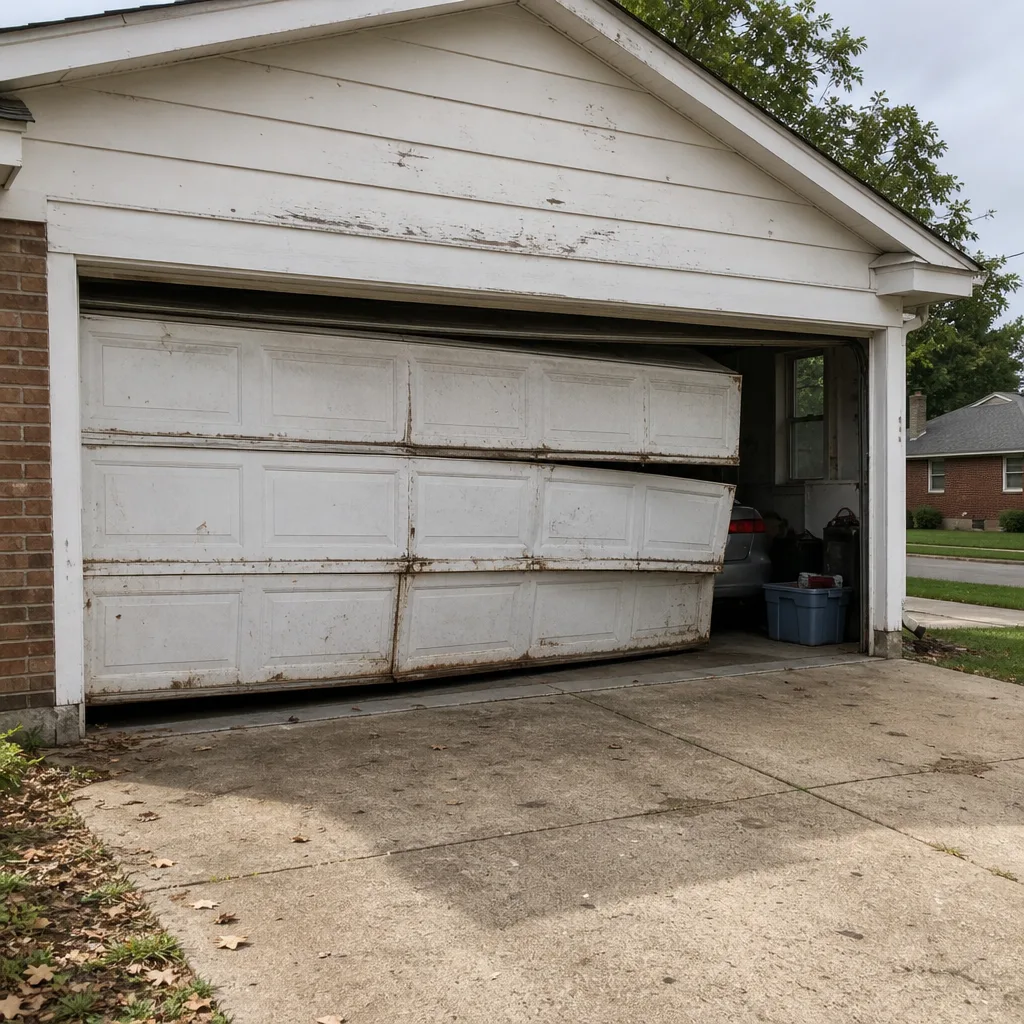 Before
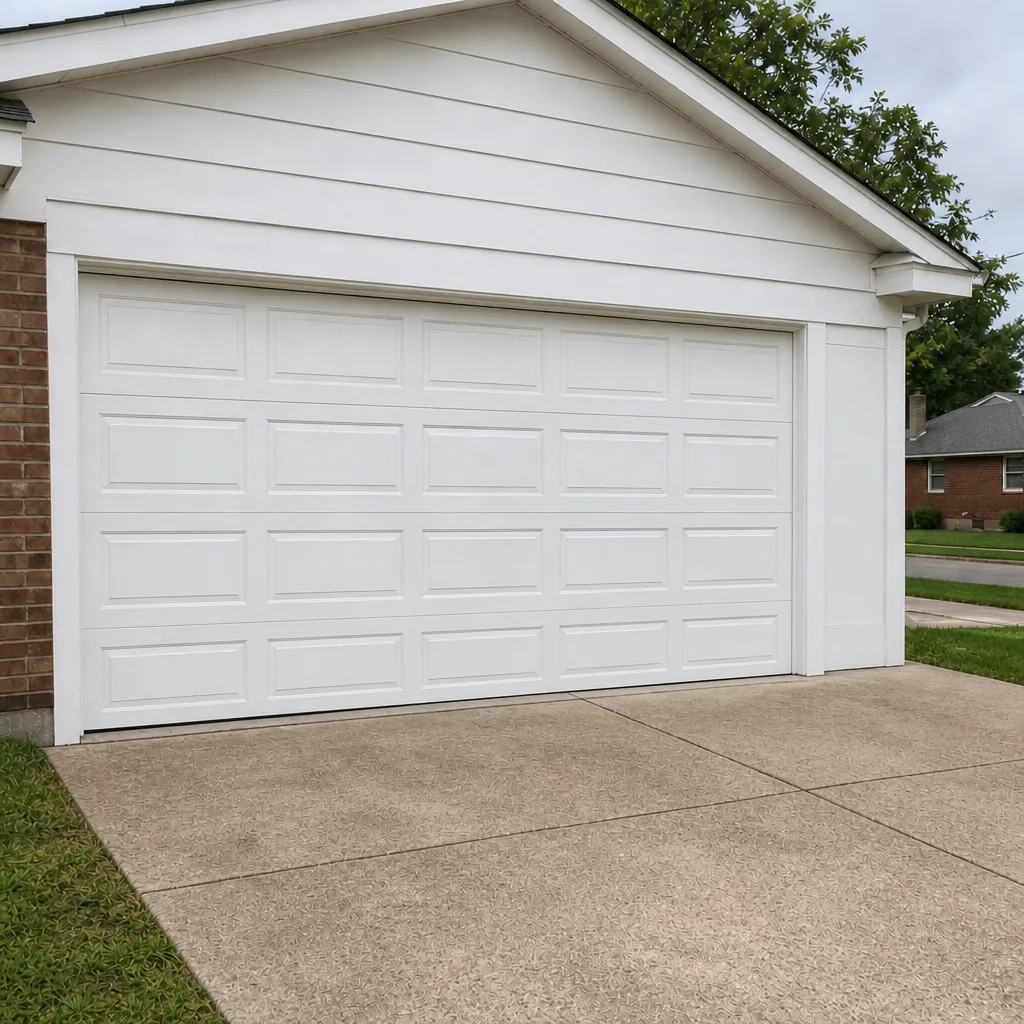 After
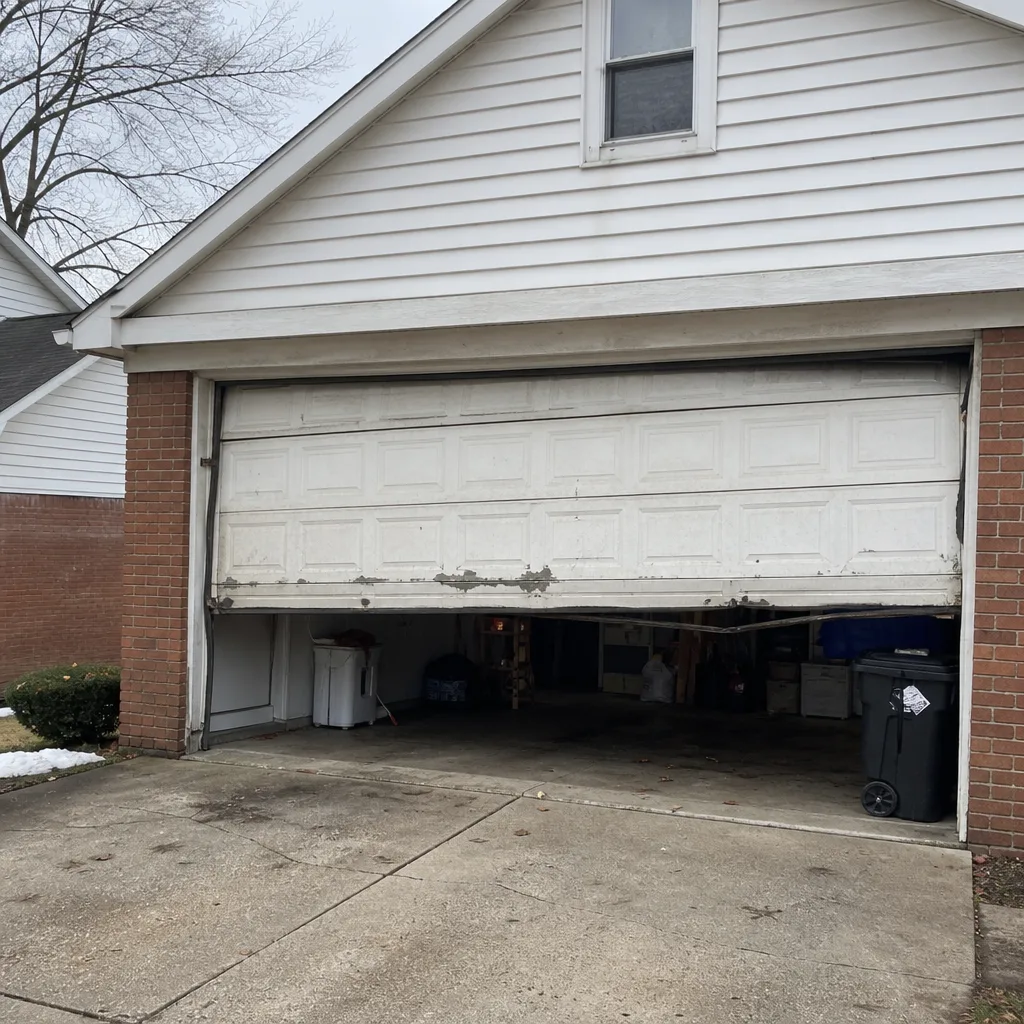 Before
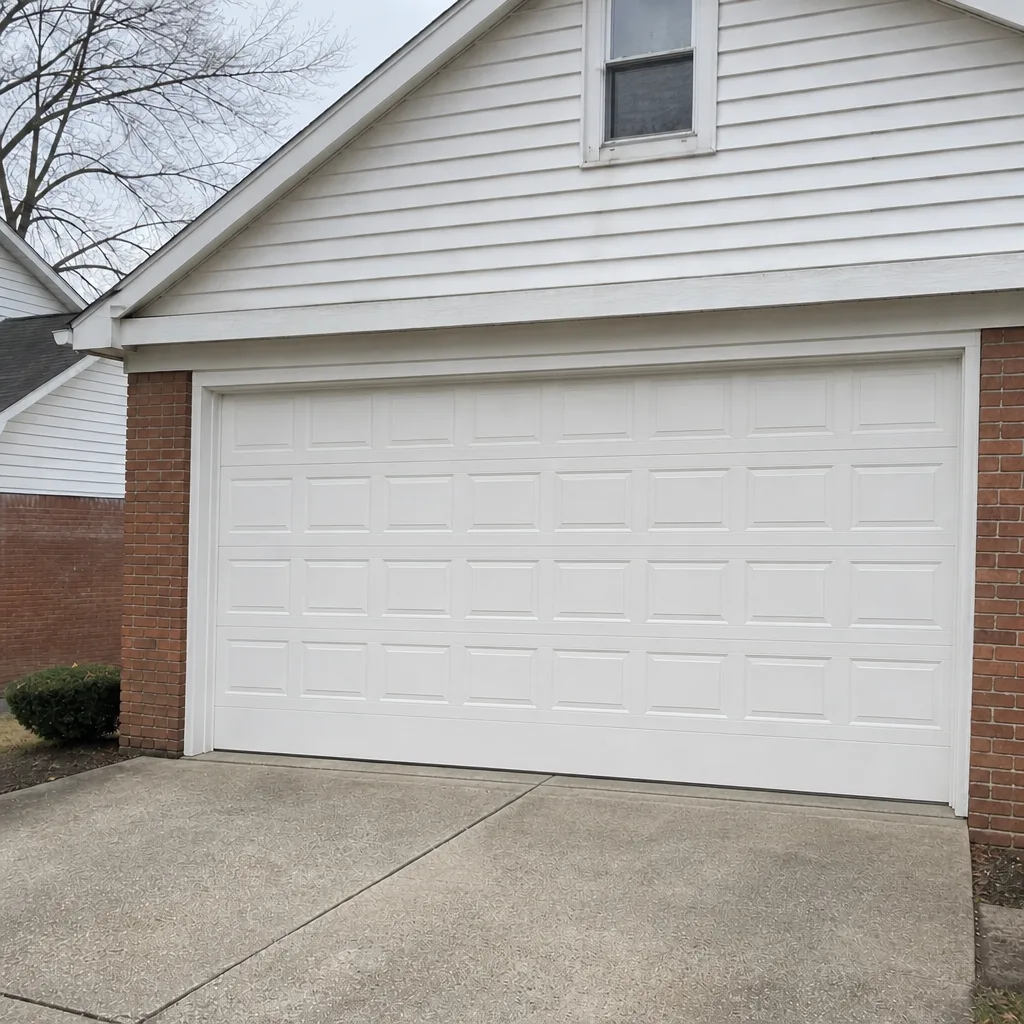 After
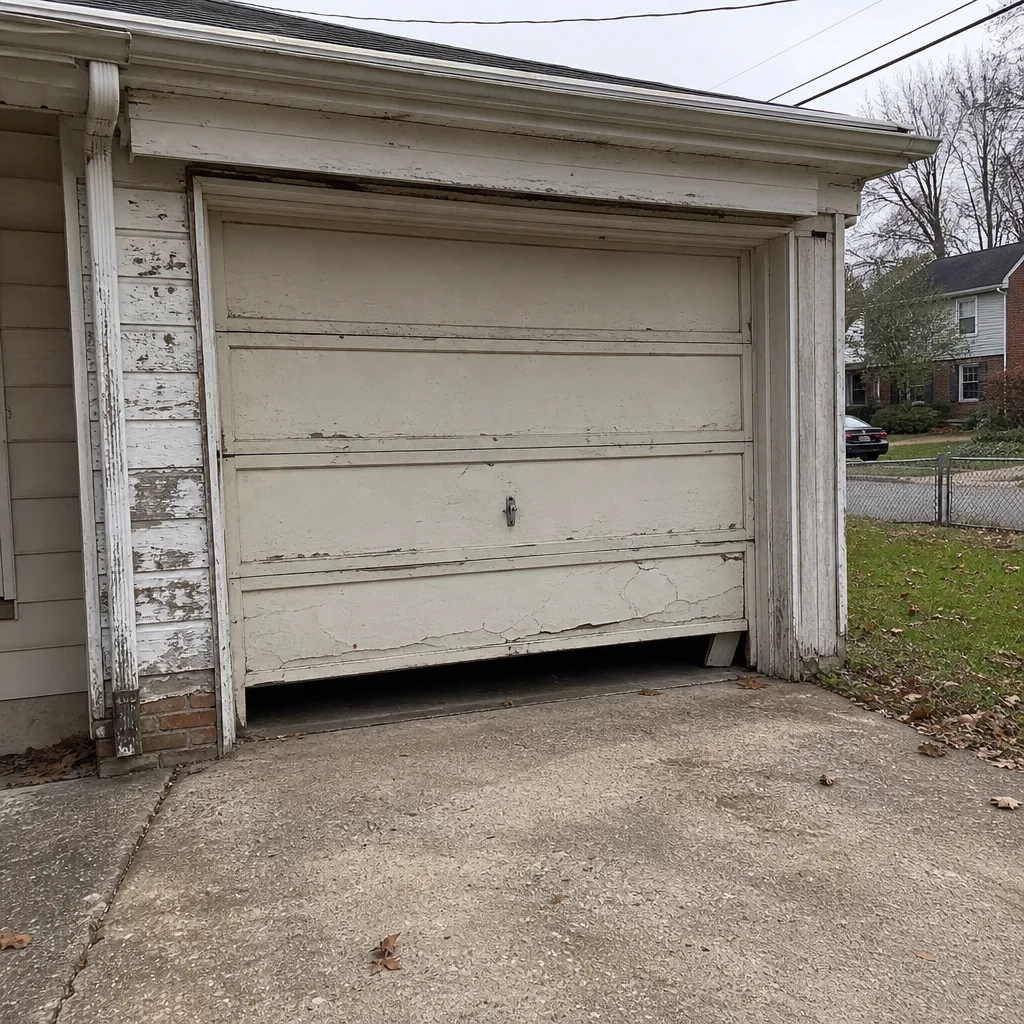 Before
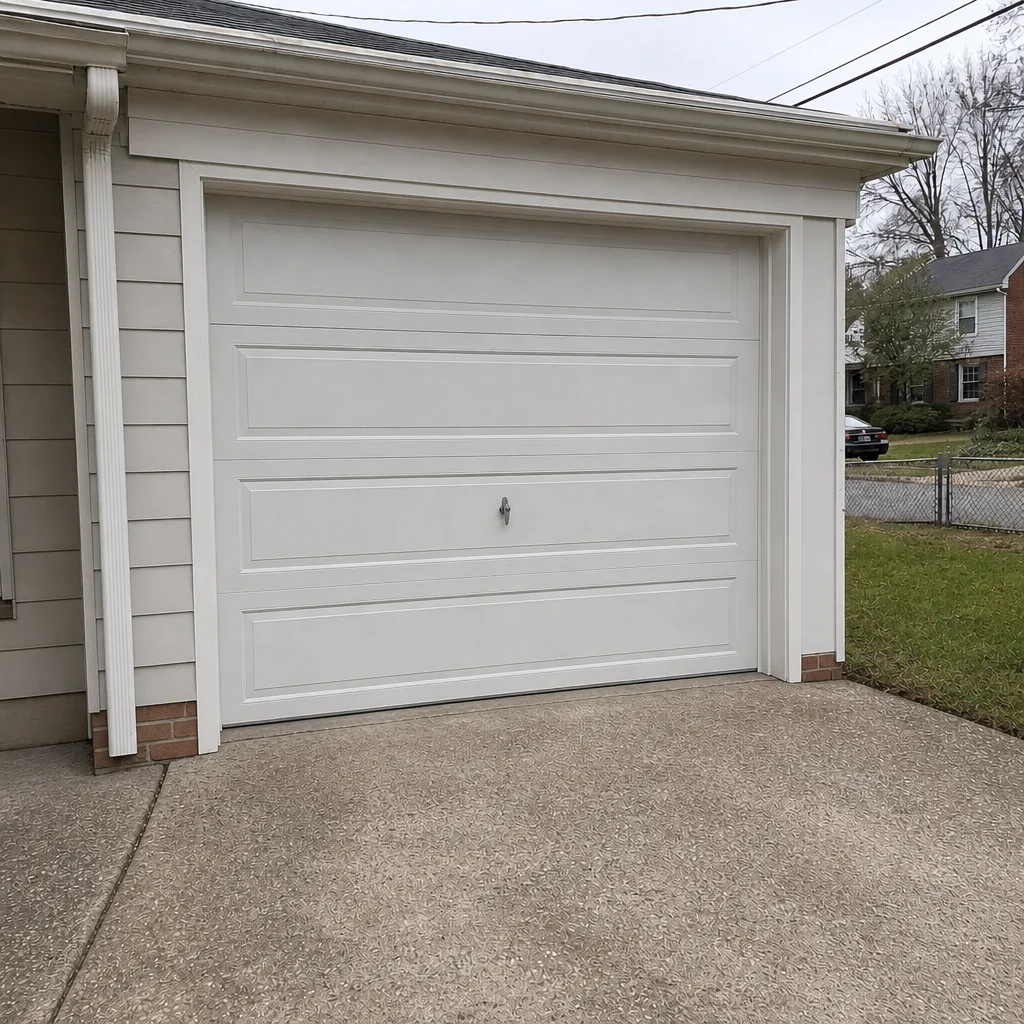 After
When to Call a Professional
Some garage door problems are safe to handle yourself, and some aren’t. Call a professional when a spring is broken, the door is uneven or sagging, a cable looks worn or frayed, the door is binding in the tracks, the opener is failing to reverse or resets repeatedly, or you’re not sure what the problem is. When in doubt, a phone call and a free estimate is the right move. Our technicians have up to 11 years of experience and we handle emergencies for urgent access, safety and security situations. We work on the brands you already have, and same-day service is available in most cases. Garage Door Repair Kamm’s Corners offers free estimates in Kamm’s Corners; call (888) 839-8159.
Frequently Asked Questions
A single spring replacement is typically a modest repair, and because a matched pair is usually replaced together, expect roughly double for a pair. The honest answer is that the price per job depends on your door and spring type, and we quote the work and agree on the number before anything starts. Call (888) 839-8159 for an exact quote; estimates are free.
Same-day and emergency garage door service is available in most cases. A broken door at the wrong moment is a security and access problem, and a spring repair is exactly the kind of job we prioritize. Call (888) 839-8159 and we’ll tell you the soonest we can get to you.
No. We inspect the door, quote the work, and the number you agree to is the number you pay. The only time the price moves is if you ask for something different, and we’ll talk that through before doing it. Call (888) 839-8159 for a free estimate.
Yes. The local professionals we connect you with are licensed and insured as their state requires. Our technicians have up to 11 years of experience, and we’re equipped to handle spring repair, opener repair, and full door installation. Call (888) 839-8159 to book a visit.
Twice a year is a good rhythm in Kamm’s Corners, once before winter and once in spring. The freeze-thaw swings in this area stress the hardware more than milder climates do, and a quick seasonal check catches the wear before it becomes a failure.
We work on the brand you already have. We’re familiar with LiftMaster, Chamberlain, Genie, Clopay, Amarr, Wayne Dalton, Craftsman and Raynor, covering the vast majority of doors and openers in Kamm’s Corners homes. If you know the brand of your door or opener, we’ll know it too. Call (888) 839-8159 to talk it through.
The Bottom Line
Your garage door is a mechanical system with parts that fail in predictable ways, and a little attention keeps those failures from happening at the worst moment. Learn the main components, run the two-minute condition test twice a year, keep the bottom seal and rollers in shape, and you’ll get more years out of the whole door. When something beyond routine wear shows up, a broken spring or a strained opener, keep the door still and get it seen. If you’d like a professional eye on your door, Garage Door Repair Kamm’s Corners offers free estimates, same-day and emergency service where it’s needed, and full scope from repair to replacement. Call (888) 839-8159 for your free estimate.
Written by the team at Garage Door Repair Kamm’s Corners.